
Introduction
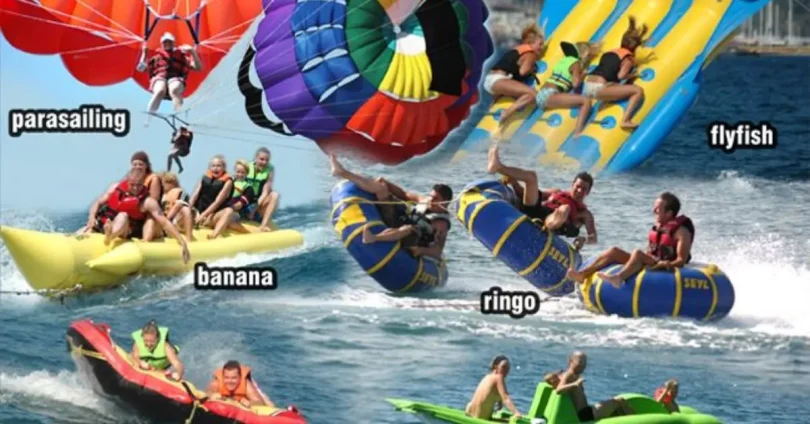
Dreaming of crystal-clear waters, thrilling adventures, and unforgettable island experiences? The Best Islands for Adventure and Water Sports offer everything from exciting surfing beaches and colorful coral reefs to scenic hiking trails and thrilling zipline adventures. Whether you are planning your first island vacation or looking for your next adrenaline-filled destination, choosing the right island can make your trip truly memorable.
Island destinations are no longer just places to relax under the sun. Today, they attract travelers who love action, exploration, and outdoor activities. From kayaking through hidden lagoons to diving alongside vibrant marine life, every island has something unique to offer. Many destinations also combine adventure with breathtaking landscapes, making every day an opportunity to experience something new.
For beginners, island adventures provide a safe and exciting way to try new water sports while enjoying professional guidance and modern facilities. Intermediate travelers can explore more challenging activities, discover remote beaches, and experience nature from a completely different perspective. No matter your experience level, the Best Islands for Adventure and Water Sports offer unforgettable moments for every traveler.
This guide explains what makes these islands special, why they continue attracting adventure seekers worldwide, and how you can choose the perfect destination based on your interests, budget, and travel style.
What is Best Islands for Adventure and Water Sports?
The phrase Best Islands for Adventure and Water Sports refers to island destinations that combine beautiful natural scenery with exciting outdoor activities. Instead of offering only peaceful beaches, these islands provide opportunities for visitors to enjoy thrilling experiences on land and in the water.
Adventure activities may include hiking through tropical forests, climbing volcanic peaks, mountain biking, ziplining, or exploring caves. Water sports often include snorkeling, scuba diving, surfing, paddleboarding, jet skiing, kayaking, parasailing, sailing, and windsurfing.
These islands usually feature excellent weather, clear water, healthy marine ecosystems, and experienced instructors. Many also have well-developed tourism facilities, making them suitable for both beginners and experienced adventurers.
Another important feature is diversity. Travelers can spend one morning diving among coral reefs and enjoy a sunset hike later the same day. This variety creates an exciting vacation that combines relaxation with adventure.
The growing popularity of adventure tourism has encouraged many island destinations to improve safety standards, expand activity choices, and promote sustainable tourism practices. As a result, visitors can enjoy memorable experiences while helping protect local environments and supporting island communities.
Why is Best Islands for Adventure and Water Sports Important?
Adventure travel has become one of the fastest-growing segments of global tourism because modern travelers increasingly value experiences over ordinary vacations. Choosing the Best Islands for Adventure and Water Sports allows visitors to enjoy active holidays while discovering beautiful natural environments.
These destinations encourage people to spend more time outdoors, improve physical fitness, and develop new skills. Learning to surf, dive, or kayak builds confidence while creating unforgettable memories with family and friends.
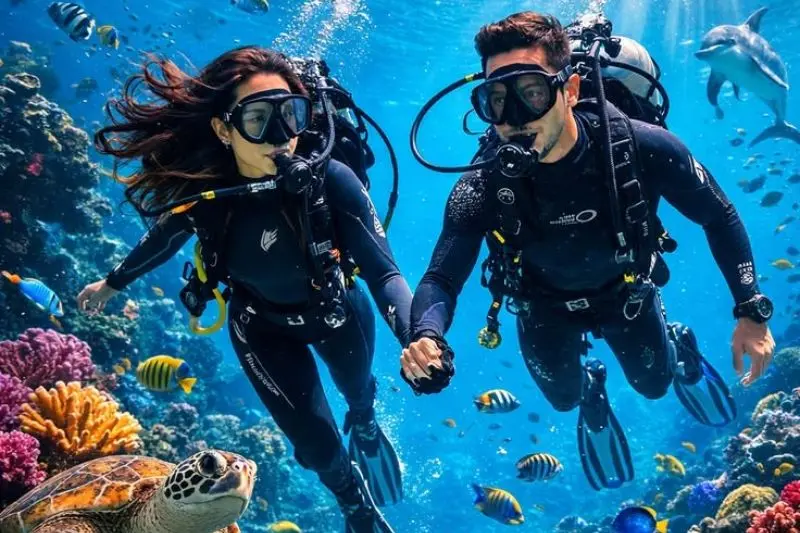
Island adventures also promote appreciation for marine ecosystems. Activities like snorkeling and scuba diving introduce travelers to coral reefs, colorful fish, sea turtles, and other fascinating wildlife. These experiences often inspire visitors to support ocean conservation and responsible tourism.
Local communities benefit as well. Adventure tourism creates employment for guides, instructors, hotel staff, transportation providers, restaurants, and small businesses. Responsible visitors contribute to local economies while encouraging environmental protection.
Finally, these islands offer something for almost everyone. Couples, solo travelers, families, and groups can all find activities that match their interests and experience levels, making adventure islands suitable for a wide range of travel styles.
Detailed Step-by-Step Guide
Step 1: Decide What Kind of Adventure You Want
Before selecting an island, think about the activities that interest you most. Every destination has its own strengths, so identifying your priorities makes planning much easier.
If you enjoy surfing, choose islands with consistent waves and experienced instructors. Those interested in marine life should focus on destinations famous for snorkeling and scuba diving. Travelers who enjoy hiking may prefer volcanic islands or destinations with rainforest trails and mountain viewpoints.
Making a list of your preferred activities helps narrow your options while ensuring your trip matches your expectations.
Step 2: Choose an Island That Matches Your Experience Level
Not every island is suitable for every traveler. Beginners should look for destinations with calm beaches, certified instructors, rental equipment, and organized tours.
Intermediate adventurers may prefer islands offering more challenging experiences, including advanced dive sites, stronger surfing conditions, longer hiking routes, or deep-sea kayaking expeditions.
Selecting an island that matches your skills increases both safety and enjoyment while allowing you to build confidence throughout your vacation.
Step 3: Research Weather and Travel Seasons
Weather plays a major role in adventure travel. Calm seas create ideal snorkeling conditions, while consistent winds improve windsurfing and sailing opportunities.
Research the best travel season before booking your trip. Avoid hurricane seasons, heavy rainfall, or periods when water visibility becomes poor. Visiting during the ideal months often results in better experiences, safer activities, and more comfortable sightseeing.
Step 4: Set a Realistic Budget
Adventure vacations can fit many different budgets if planned carefully.
Consider expenses such as:
- Flights
- Accommodation
- Equipment rentals
- Activity fees
- Local transportation
- Food and drinks
- Travel insurance
Planning ahead allows you to compare prices, book early discounts, and avoid unexpected costs during your adventure.
Step 5: Learn About Safety Standards
Safety should always come before excitement. Choose islands where tour operators follow recognized safety procedures and maintain their equipment properly.
Check whether instructors hold professional certifications, provide safety briefings, and supply high-quality protective gear. Reliable operators also monitor weather conditions before allowing activities to begin.
Reading recent traveler reviews can help identify trustworthy companies that prioritize customer safety and enjoyable experiences.
Step 6: Pack the Right Equipment
Packing wisely makes every adventure more comfortable.
Essential items often include:
- Lightweight clothing
- Swimwear
- Reef-safe sunscreen
- Waterproof phone case
- Dry bag
- Sunglasses
- Water shoes
- Reusable water bottle
- Light backpack
- Quick-drying towel
Some travelers also bring their own snorkeling masks or action cameras to capture unforgettable moments beneath the water.
Step 7: Respect Nature Throughout Your Adventure
The most rewarding island adventures are those that protect the environment.
Avoid touching coral reefs, feeding marine animals, or leaving trash behind. Stay on marked hiking trails and follow local conservation guidelines whenever possible.
Responsible travel ensures that future visitors can enjoy the same beautiful landscapes and thriving marine ecosystems.
Step 8: Explore the Best Islands for Adventure and Water Sports
Once your planning is complete, it is time to choose the destination that matches your travel style. Every island has its own personality, landscape, and adventure opportunities. Some are famous for powerful ocean waves, while others are known for calm lagoons, coral reefs, or volcanic mountains.
Maldives
The Maldives is often associated with luxury, but it is also an excellent destination for water sports. Crystal-clear lagoons provide ideal conditions for snorkeling, scuba diving, kayaking, paddleboarding, and jet skiing. Beginners appreciate the calm waters, while experienced divers enjoy exploring coral reefs filled with colorful marine life.
Many resorts offer professional instructors and modern equipment, making it easy for first-time visitors to participate safely.
Bali, Indonesia
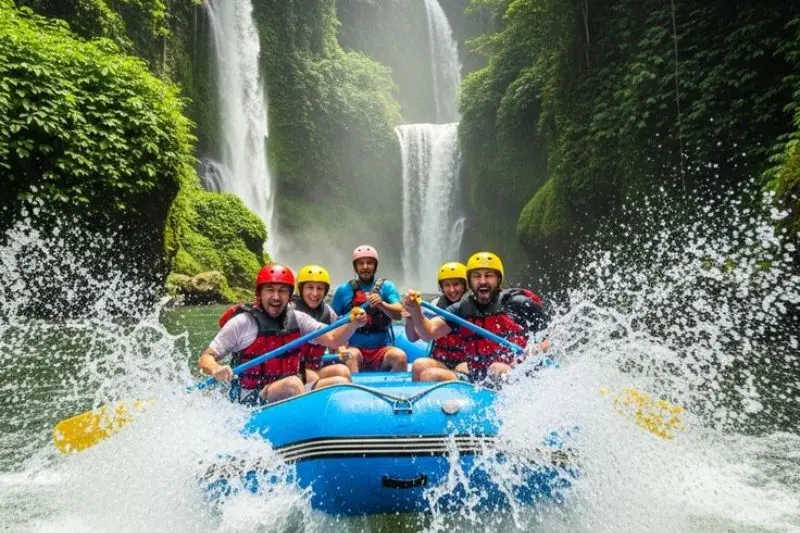
Bali combines natural beauty with exciting outdoor adventures. Surfers from around the world visit its beaches to enjoy consistent waves suitable for different skill levels. Inland, travelers can hike volcanoes, ride through rice terraces, explore waterfalls, or raft along scenic rivers.
The island also offers excellent diving and snorkeling locations where visitors can discover tropical fish, sea turtles, and fascinating underwater landscapes.
Maui, Hawaii
Maui is one of the most diverse adventure islands in the Pacific. Visitors can surf, snorkel, scuba dive, whale watch, zipline, and hike through lush valleys. The famous Road to Hana provides breathtaking coastal scenery, while Haleakala National Park offers unforgettable sunrise hikes above the clouds.
The island’s excellent tourism infrastructure makes it suitable for beginners and experienced adventurers alike.
Phuket, Thailand
Phuket attracts travelers looking for affordable adventure experiences. Its surrounding islands provide excellent snorkeling and diving opportunities, while kayaking tours through limestone caves remain among the area’s most popular attractions.
Visitors can also enjoy parasailing, sailing excursions, island hopping, and jungle adventures during the same vacation.
Palawan, Philippines
Palawan is known for its dramatic limestone cliffs, hidden lagoons, and crystal-clear waters. Adventure travelers can kayak through secret coves, snorkel above coral gardens, dive into historic shipwrecks, or hike through protected forests.
Its peaceful atmosphere makes every adventure feel even more rewarding.
Canary Islands, Spain
Located in the Atlantic Ocean, the Canary Islands offer year-round adventure opportunities. Strong winds create ideal conditions for windsurfing and kitesurfing, while volcanic landscapes provide excellent hiking and mountain biking routes.
Different islands within the archipelago cater to different adventure styles, giving travelers plenty of choices.
Fiji
Fiji combines tropical beauty with world-class diving. Coral reefs support incredible biodiversity, attracting divers from across the globe. Visitors also enjoy surfing, paddleboarding, sailing, kayaking, and cultural experiences in traditional villages.
The welcoming local culture adds another memorable dimension to every adventure.
Seychelles
The Seychelles are famous for granite rock formations, white sand beaches, and turquoise waters. Travelers can snorkel among coral reefs, kayak along quiet coastlines, hike nature reserves, or sail between islands while enjoying spectacular scenery.
Its protected marine parks make underwater exploration especially rewarding.
Planning Your Daily Adventure Schedule
A successful island vacation balances excitement with relaxation. Instead of filling every hour with activities, create a schedule that allows time to recover and appreciate your surroundings.
A sample adventure day might look like this:
- Morning snorkeling session.
- Breakfast overlooking the beach.
- Guided kayaking tour.
- Lunch featuring local seafood.
- Afternoon hiking adventure.
- Sunset paddleboarding.
- Relaxing evening by the shoreline.
This balanced approach reduces fatigue while allowing travelers to experience several activities in one day.
Choosing the Right Water Sport
Different water sports provide different experiences. Understanding their difficulty levels helps travelers select activities that match their comfort and skill.
Snorkeling
Snorkeling is perfect for beginners because it requires minimal training. Calm water, basic equipment, and a sense of curiosity are usually enough to begin exploring colorful underwater environments.
Scuba Diving
Scuba diving allows visitors to explore deeper reefs, underwater caves, and marine wildlife. Certified instructors guide beginners through introductory sessions before moving toward more advanced dives.
Surfing
Surfing requires patience and practice, but many islands offer beginner-friendly beaches with gentle waves. Professional lessons help new surfers develop proper techniques safely.
Kayaking
Kayaking offers a peaceful way to discover hidden beaches, sea caves, and quiet lagoons. It also provides excellent exercise while allowing close contact with nature.
Paddleboarding
Stand-up paddleboarding combines balance, relaxation, and sightseeing. Calm coastal waters make this activity suitable for travelers of various ages.
Jet Skiing
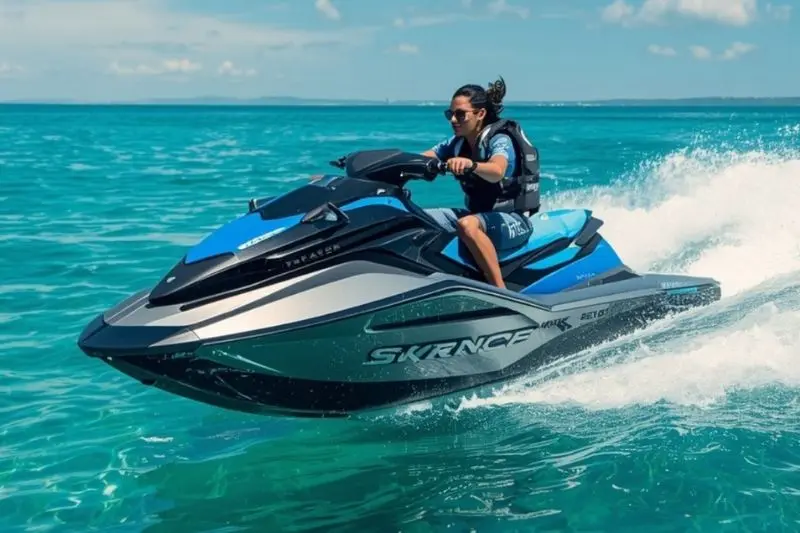
Jet skiing delivers speed and excitement for those seeking an adrenaline rush. Guided tours often include scenic routes around islands and coastal landmarks.
Windsurfing and Kitesurfing
These sports combine sailing and surfing skills while using wind power to glide across the water. Although beginners need lessons, experienced participants enjoy the challenge and excitement.
Benefits of Best Islands for Adventure and Water Sports
- Encourage an active and healthy lifestyle.
- Build confidence through new experiences.
- Improve swimming and outdoor skills.
- Create unforgettable family memories.
- Offer opportunities to meet travelers from around the world.
- Support local island economies.
- Increase appreciation for marine conservation.
- Combine relaxation with exciting adventures.
- Provide activities suitable for different age groups.
- Allow travelers to experience unique natural landscapes.
- Encourage responsible and sustainable tourism.
- Improve mental well-being by reducing stress.
- Offer educational opportunities about marine ecosystems.
- Create countless photography and sightseeing opportunities.
- Help travelers disconnect from daily routines and reconnect with nature.
Disadvantages / Risks
- Weather conditions may change unexpectedly.
- Some activities require physical fitness.
- Adventure sports can be expensive during peak seasons.
- Minor injuries may occur if safety instructions are ignored.
- Strong ocean currents can create dangerous situations.
- Motion sickness may affect boat excursions.
- Equipment rental quality varies between operators.
- Crowded tourist seasons may reduce the overall experience.
- Marine wildlife should always be respected to avoid accidents.
- Environmental damage can occur if visitors behave irresponsibly.
Common Mistakes to Avoid
Many travelers become so excited about their vacation that they overlook important details. Avoiding common mistakes helps create a safer and more enjoyable adventure.
One common mistake is booking activities without researching the company. Always choose experienced operators with qualified instructors and positive customer reviews.
Another mistake involves ignoring weather forecasts. Ocean conditions can change quickly, making certain activities unsafe even on sunny days.
Packing too much is also unnecessary. Lightweight clothing, comfortable footwear, and essential adventure equipment are usually enough for most island trips.
Some visitors underestimate the importance of hydration. Spending hours in the sun while swimming or hiking increases the risk of dehydration. Drinking water regularly helps maintain energy throughout the day.
Ignoring sunscreen is another frequent error. Tropical sunlight is often stronger than many travelers expect, so protecting your skin should remain a priority.
Finally, some tourists forget to respect local customs and environmental rules. Responsible behavior protects both island communities and fragile ecosystems while creating a better experience for everyone.
FAQs
Which are the Best Islands for Adventure and Water Sports for beginners?
Beginners should choose islands with calm waters, certified instructors, and excellent tourism facilities. Destinations such as the Maldives, Bali, Phuket, and Maui offer beginner-friendly snorkeling, kayaking, paddleboarding, and introductory scuba diving lessons. These islands make learning new activities enjoyable while maintaining high safety standards.
What is the best time to visit adventure islands?
The ideal travel season depends on the destination. In general, travelers should visit during the dry season when the weather is stable, ocean visibility is high, and water conditions are safer. Researching seasonal weather before booking helps avoid storms, heavy rainfall, and rough seas.
Do I need to know how to swim?
Swimming is recommended for many water sports, but it is not always required. Activities like kayaking, paddleboarding, and boat tours usually provide life jackets. Beginners can also participate in guided snorkeling or introductory diving sessions with professional instructors who prioritize safety.
Are island adventure vacations expensive?
Adventure vacations can fit many budgets. Luxury islands provide premium experiences, while destinations such as Bali, Phuket, and parts of the Philippines offer affordable accommodation, equipment rentals, and activity packages. Careful planning and early bookings can significantly reduce travel costs.
What should I pack for an adventure island trip?
Pack lightweight clothing, comfortable shoes, swimwear, reef-safe sunscreen, sunglasses, a reusable water bottle, a waterproof phone case, a quick-drying towel, and a small backpack. A dry bag is also useful for protecting electronics during kayaking, boat rides, and other water activities.
How can I protect the environment while enjoying water sports?
Travelers should avoid touching coral reefs, feeding marine animals, leaving litter, or collecting shells and coral. Choosing eco-friendly tour operators, using reef-safe sunscreen, and respecting protected marine areas help preserve these beautiful destinations for future generations.
Expert Tips & Bonus Points
Planning ahead always leads to a smoother adventure. Reserve popular activities before arriving, especially during busy travel seasons when tours often sell out quickly.
Start with beginner-friendly activities before attempting advanced adventures. Building confidence step by step makes the overall experience more enjoyable and much safer.
Invest in quality travel insurance that covers adventure sports. Medical emergencies, delayed flights, or unexpected cancellations become much easier to manage with proper coverage.
Wake up early whenever possible. Morning hours often provide calmer seas, fewer crowds, cooler temperatures, and better visibility for snorkeling or diving.
Learn a few local phrases before traveling. Even simple greetings show respect for local communities and often create friendlier interactions with guides and residents.
Support local businesses whenever possible. Hiring local guides, eating at family-owned restaurants, and purchasing handmade souvenirs help strengthen island economies while creating a more authentic travel experience.
Take plenty of photographs, but remember to stay present in the moment. Some of the most memorable experiences come from simply appreciating the scenery without constantly looking through a camera lens.
Stay flexible during your trip. Weather conditions may require changes to your schedule, and sometimes an unexpected activity becomes the highlight of the entire vacation.
Maintain your physical fitness before traveling. Basic endurance and flexibility make hiking, kayaking, diving, and other outdoor activities much more enjoyable.
Always listen carefully to safety briefings. Even experienced travelers benefit from learning about local conditions, equipment operation, and emergency procedures before starting an activity.
If you plan to scuba dive, avoid flying immediately afterward. Allowing enough time between diving and air travel reduces health risks associated with pressure changes.
Carry a small first-aid kit containing basic supplies such as bandages, antiseptic wipes, pain relievers, and motion sickness medication. These essentials can be helpful during remote adventures.
Choose reusable bottles and containers instead of disposable plastics. Small choices made by individual travelers contribute to cleaner beaches and healthier oceans.
Respect wildlife by observing animals from a safe distance. Responsible tourism protects marine ecosystems while allowing future visitors to enjoy the same incredible experiences.
Finally, remember that the Best Islands for Adventure and Water Sports are about much more than excitement alone. They offer opportunities to explore new cultures, appreciate nature, build confidence, and create lifelong memories through meaningful experiences.
Conclusion
Choosing the Best Islands for Adventure and Water Sports is one of the most rewarding ways to combine travel with outdoor adventure. From surfing powerful waves and snorkeling above colorful coral reefs to hiking volcanic trails and kayaking through hidden lagoons, these destinations offer experiences that appeal to beginners and intermediate travelers alike. Every island has its own unique character, allowing visitors to enjoy different landscapes, cultures, and activities during every trip.
Successful adventure travel begins with careful planning. Selecting the right destination, researching weather conditions, following safety guidelines, and respecting the environment all contribute to a memorable and enjoyable vacation. Responsible tourism not only protects fragile ecosystems but also supports local communities that depend on sustainable travel.
Whether your dream is diving into crystal-clear waters, learning to surf, exploring untouched beaches, or simply experiencing nature from a new perspective, the Best Islands for Adventure and Water Sports provide endless opportunities for discovery. Every adventure builds confidence, creates lasting friendships, and produces unforgettable memories that stay with you long after returning home.
Instead of choosing an ordinary beach holiday, consider an island that inspires exploration, excitement, and personal growth. With the right preparation and a spirit of adventure, your next island escape can become one of the most exciting journeys you will ever experience. Adventure is waiting beyond the shoreline, and the perfect island is ready to welcome you.