
Introduction
Budget travel tips are simple ways to reduce the cost of flights, accommodation, food, transportation, and activities while still enjoying a memorable trip. You do not need a large travel budget to explore a new city, visit another country, or enjoy a relaxing vacation.
The key is to decide where your money matters most and where you can save. Flexible travel dates, affordable accommodation, public transportation, local food, and careful activity planning can all help reduce your overall travel expenses.
Budget travel does not mean choosing the cheapest option every time. A low-cost hotel far from the places you want to visit may cost more because of transportation, while a slightly more expensive hotel in a convenient location may offer better value.
Whether you are planning a weekend getaway, family vacation, solo trip, or international adventure, smart planning can help your money go further. This guide covers practical budget travel tips to help you save money without missing the experiences that make your trip worthwhile.
What Is Budget Travel?
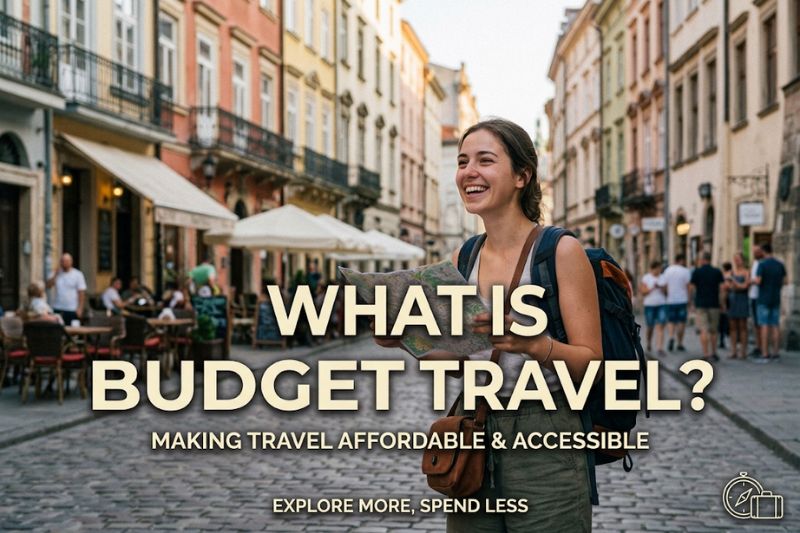
Budget travel means planning and taking a trip while keeping your total spending within a set amount.
It is not simply about finding the cheapest possible option. A good budget trip balances price, comfort, convenience, and experience. For example, a slightly more expensive hotel near public transportation may save enough on daily transport to make the overall trip cheaper.
The same principle applies to flights. A low-priced ticket may not actually be cheaper if it includes expensive baggage fees, long transfers, or inconvenient transportation after you arrive.
The goal is to look at the total cost of the trip, rather than judging each expense separately.
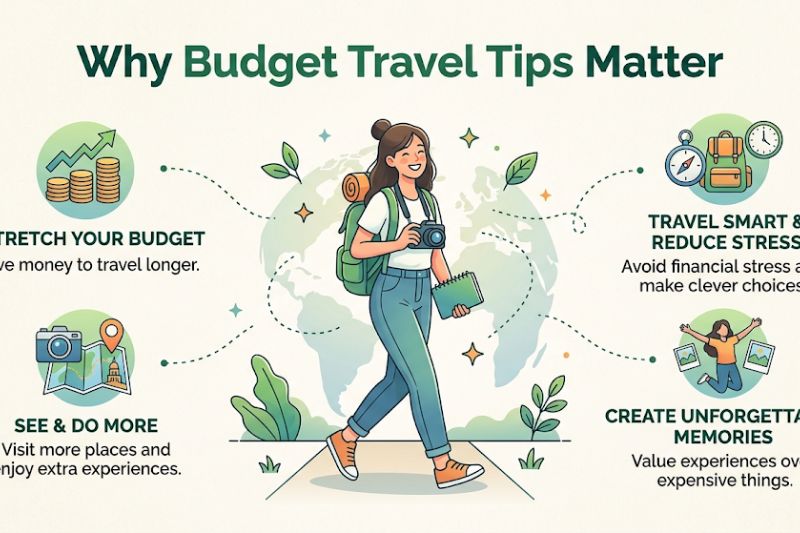
Why Budget Travel Tips Matter
Travel expenses can quickly add up because a trip usually includes several major costs:
- Flights or other long-distance transportation
- Accommodation
- Local transportation
- Food and drinks
- Attractions and activities
- Travel insurance and other necessary expenses
- Baggage and booking fees
You do not necessarily need to cut every category. A better approach is to identify the expenses that matter most and find reasonable ways to reduce them.
For example, you might choose a simple hotel but spend more on an activity you have always wanted to experience. Another traveler might prioritize better food while choosing cheaper transportation.
This approach makes budget travel more realistic because you are spending intentionally instead of simply spending less.
Start With a Realistic Travel Budget
Before searching for flights or hotels, decide how much you can comfortably spend.
Divide your expected costs into categories such as:
| Expense | What to Include |
|---|---|
| Transportation | Flights, trains, buses, taxis |
| Accommodation | Hotels, hostels, guesthouses |
| Food | Meals, snacks, drinks |
| Activities | Attractions, tours, tickets |
| Extra costs | Baggage, fees, shopping, emergencies |
Leave some money available for unexpected expenses. A budget that uses every dollar before the trip begins can become difficult to maintain when plans change.
A simple daily spending limit can also help. If you know how much you can spend each day, it becomes easier to decide whether an expensive activity or restaurant fits into your plans.
Choose Your Destination Carefully
One of the most effective ways to save money is to choose a destination that matches your budget.
Two destinations can offer similar experiences while having very different costs for accommodation, food, transportation, and attractions.
Instead of deciding on one destination immediately, compare several options. Look at the total expected cost, including getting there and moving around after arrival.
You can also consider less expensive areas outside the most popular tourist centers. A destination with lower everyday costs may allow you to stay longer while spending less.
Another useful approach is to travel during shoulder or off-peak periods. Traveling outside the busiest periods can sometimes mean better prices and fewer crowds.
The cheapest destination is not always the best destination. The better choice is one that gives you the experience you want at a cost you can realistically afford.
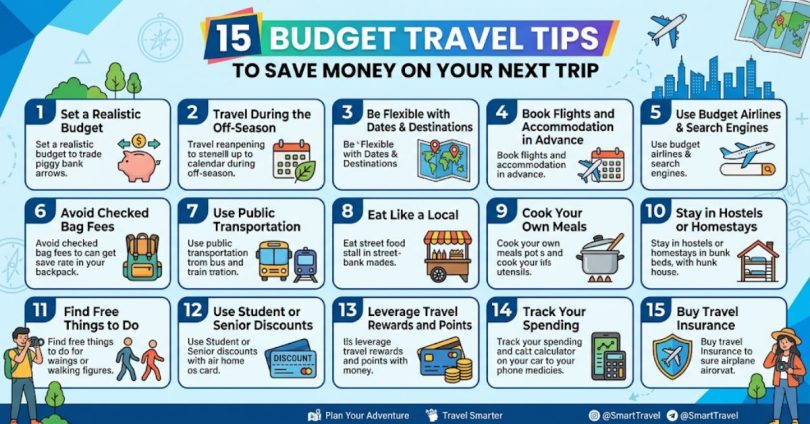
15 Budget Travel Tips to Save Money on Your Next Trip
1. Be Flexible With Your Travel Dates
Traveling on different dates can make a significant difference to your total trip cost. If your schedule allows, compare several departure and return dates before booking.
Avoid automatically choosing the busiest travel periods. Holidays, major events, and peak tourist seasons can increase demand for flights and accommodation.
A small change in your travel dates may give you access to better prices while also helping you avoid large crowds.
2. Compare Flights Before Booking
Do not book the first flight you find.
Compare different airlines, departure times, nearby airports, and travel dates. Look beyond the headline ticket price and check baggage charges, seat fees, airport transfers, and other costs that could increase the final price.
Sometimes a slightly more expensive ticket is actually the better deal when it includes services you would otherwise have to pay for separately.
3. Travel With Less Luggage
Packing light can help reduce travel costs and make your trip easier.
Depending on the airline and ticket type, checked baggage can add an extra expense. A lighter bag can also make it easier to use buses, trains, and public transportation instead of relying on taxis.
Pack versatile clothing and only take items you are realistically going to use.
4. Choose Accommodation for Value, Not Just Price
The cheapest accommodation is not always the cheapest overall option.
When comparing hotels, hostels, guesthouses, or vacation rentals, consider:
- Location
- Included breakfast
- Wi-Fi
- Kitchen access
- Public transportation nearby
- Taxes and additional fees
- Cancellation conditions
For example, paying slightly more for accommodation close to major attractions or public transportation may save money on daily transportation.
Always compare the total price and location, not just the advertised nightly rate.
5. Consider Alternative Accommodation
Hotels are not your only option.
Depending on your destination and travel style, you may consider hostels, guesthouses, vacation rentals, or other legitimate accommodation options.
For longer trips, a place with basic kitchen facilities can sometimes help reduce food costs because you can prepare some meals yourself.
The right option depends on your group size, destination, comfort requirements, and the length of your stay.
6. Use Public Transportation
Transportation can become one of the largest expenses during a trip, particularly when travelers depend heavily on taxis or private rides.
Before arriving, research the destination’s public transportation system. Buses, trains, metro systems, and other local services may provide a more affordable way to move around.
Walking is another option when attractions are reasonably close together and the route is safe and practical.
A useful strategy is to group nearby attractions together. Instead of crossing the city several times in one day, explore one area at a time.
7. Eat Like a Local
Food can consume a large part of a travel budget, especially if you eat every meal in tourist-focused restaurants.
Look for places that local residents commonly use, including markets, casual restaurants, bakeries, and affordable food spots.
You do not have to avoid restaurants completely. Instead, choose where to spend your food budget carefully.
Another simple strategy is to buy breakfast or snacks from a local grocery store when appropriate. If your accommodation has a kitchen, preparing some meals can reduce costs further.
8. Plan Your Paid Activities
You do not need to pay for every attraction in a destination.
Before your trip, make a short list of the experiences you care about most. Then check which activities are free, discounted, or available at lower prices on particular days.
Many destinations also have free parks, walking areas, public spaces, museums, markets, and cultural attractions.
A budget-friendly itinerary should still include memorable experiences. The objective is to spend money on the activities you actually value rather than paying for everything simply because it is popular.
9. Avoid Unnecessary Tourist Expenses
Small purchases can quietly increase your travel spending.
Examples include expensive airport snacks, overpriced souvenirs, unnecessary upgrades, and convenience purchases that you could have planned for in advance.
This does not mean you should never buy souvenirs or treats. Give yourself a reasonable amount for these extras and include it in your budget.
A planned small expense is easier to manage than repeatedly making unplanned purchases.
10. Build a Daily Spending Limit
A daily budget can make it much easier to control your overall spending.
Suppose you have a fixed amount available for food, local transportation, and activities. Dividing that amount across your travel days gives you a basic guide for daily spending.
You do not have to spend exactly the same amount every day.
You might spend less on a day focused on free activities and use some of the remaining amount for a special meal or experience later.
11. Book Important Things Early When Appropriate
Planning ahead can make it easier to compare options before availability becomes limited.
This can be particularly useful for popular destinations, busy travel periods, and attractions with limited capacity.
However, booking early does not automatically guarantee the lowest price. Always compare available options and understand cancellation conditions before paying.
The best approach is to book important parts of the trip when you have found a good-value option that fits your plans.
Benefits of Budget Travel
Budget travel offers more than financial savings.
More Control Over Your Money
A clear budget helps you understand where your money is going and reduces unnecessary spending.
Longer Trips
If you reduce daily expenses, the same overall travel budget may allow you to stay longer.
More Local Experiences
Choosing local transportation, markets, casual restaurants, and less tourist-focused areas can expose you to parts of a destination that you might otherwise miss.
Less Financial Stress
Knowing your spending limits before traveling can make it easier to enjoy the trip without constantly worrying about unexpected expenses.
What to Watch Out for When Saving Money
Saving money should not mean ignoring important costs or choosing an option simply because it has the lowest advertised price.
Be careful with extremely cheap accommodation, complicated transportation routes, hidden fees, and bookings with restrictive conditions.
Also avoid sacrificing basic safety or essential comfort just to save a small amount.
A good budget decision should provide real value, not simply the lowest number on the screen.
Common Budget Travel Mistakes to Avoid
Even careful travelers can make decisions that increase the final cost of a trip. Avoiding a few common mistakes can make your budget much easier to manage.
Ignoring the Total Trip Cost
Looking only at the flight or hotel price can be misleading. Consider transportation, baggage, taxes, food, activities, and other necessary expenses before deciding which option is actually cheaper.
Choosing the Cheapest Location
A very cheap hotel far from the places you want to visit may cost more once you add daily transportation.
Compare the accommodation price with its location and expected transportation costs.
Overplanning Every Minute
Trying to visit too many attractions in a short trip can increase transportation costs and make the experience stressful.
Choose the places that matter most and leave some flexibility in your schedule.
Forgetting Extra Expenses
Small costs such as snacks, local transportation, attraction fees, baggage, and souvenirs can add up quickly.
Keep a separate amount in your budget for unexpected or optional spending.
Booking Without Checking the Conditions
A low price may come with restrictions. Before booking, check cancellation rules, baggage allowances, taxes, and other important conditions.
Smart Budget Travel Tips for Beginners
If this is your first budget trip, you do not need a complicated system.
Start with these simple habits:
- Set your maximum travel budget before booking.
- Compare destinations and travel dates.
- Compare the total cost rather than one advertised price.
- Choose accommodation based on value and location.
- Use public transportation when practical.
- Plan your most important activities in advance.
- Keep track of daily spending.
- Leave money available for unexpected expenses.
The goal is not to make every decision as cheap as possible. The goal is to make better decisions with the money you have.
FAQS
How can I travel on a small budget?
Start by controlling the biggest expenses: transportation, accommodation, and food. Compare destinations and travel dates, choose good-value accommodation, use affordable local transportation, and plan your activities before spending.
What is the best way to save money while traveling?
There is no single method that works for every trip. The biggest savings often come from choosing affordable travel dates and destinations, comparing accommodation, reducing transportation costs, and avoiding unnecessary purchases.
Is budget travel uncomfortable?
It does not have to be. Budget travel is about making choices based on value. You can spend more on the things that matter to you while saving money on less important expenses.
How can I save money on food while traveling?
Eat at reasonably priced local restaurants and markets, avoid relying entirely on tourist-focused restaurants, and consider accommodation with kitchen facilities if preparing some meals is practical.
Should I book flights early to save money?
Booking early can give you more choices, particularly when demand is high, but it does not guarantee the lowest possible price. Compare dates, airlines, baggage costs, and the total fare before booking.
How can I reduce transportation costs on a trip?
Research public transportation before arriving, walk when destinations are close and the route is practical, and group nearby attractions together so you do not make unnecessary journeys across the city.
CONCLUSION
The best budget travel tips are not about removing everything enjoyable from your trip. They are about deciding where your money creates the most value and avoiding expenses that do not add much to your experience.
Start by setting a realistic budget and comparing the total cost of different destinations, travel dates, transportation options, and accommodation. Once you know your major expenses, look for practical ways to reduce them without sacrificing the parts of the trip you care about most.
Simple choices can make a meaningful difference. Traveling on less expensive dates, packing light, choosing accommodation for value, using public transportation, eating at reasonably priced local places, and planning paid activities can all help your money go further.
Most importantly, remember that a successful budget trip does not need to be the cheapest possible trip. It should be a trip that fits your financial limits while still giving you the experiences you want.
With a little planning and flexibility, you can travel more thoughtfully, avoid unnecessary expenses, and make your travel budget work harder for you.