
Introduction
Exploring the world is a dream shared by many, but the perceived high costs often keep people anchored at home. The truth is, travel does not have to drain your savings account if you possess the right knowledge. With a bit of strategic planning and an adventurous spirit, you can see incredible places without breaking the bank. Whether you are a complete novice or an intermediate traveler looking to refine your methods, mastering these budget-friendly travel hacks for beginners will transform how you experience the globe. From hunting down cheap flights to finding unique, cost-effective places to stay, your dream journey is well within reach.
The beauty of adopting a cost-conscious approach lies in the depth of the experience it provides. When you stop relying on expensive, pre-packaged tours and luxury resorts, you are forced to engage more directly with the local culture. You find yourself navigating local transit, discovering hidden street food gems, and staying in charming guesthouses that offer a true sense of place. This journey is not just about saving money; it is about cultivating a mindset of resourcefulness and curiosity. By implementing these practical strategies, you gain the freedom to travel more frequently, extend your time abroad, and build a lifetime of memories that remain priceless even when your budget is limited.
What is Budget-Friendly Travel?

Budget-friendly travel is the practice of exploring new destinations while being highly intentional about your spending. It is not necessarily about deprivation or choosing the cheapest possible option at the cost of your safety. Instead, it is about value maximization. It involves making informed choices that lower your overall trip expenses without sacrificing the core experiences you crave. Think of it as a creative puzzle where you balance your resources to get the most “bang for your buck.” By prioritizing experiences over luxury amenities, you can extend your travel duration and visit more destinations on the same initial budget.
Why is Budget-Friendly Travel Important?
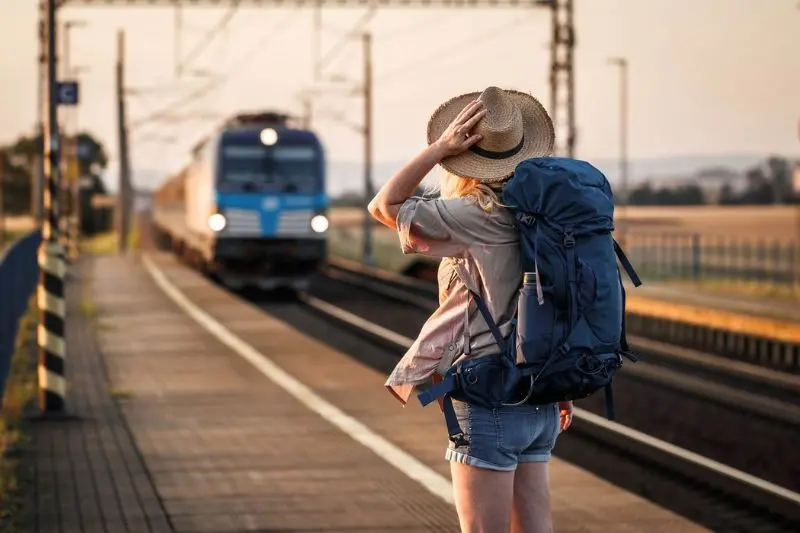
The primary importance of budget-friendly travel is accessibility. By keeping costs low, travel becomes a sustainable habit rather than a once-in-a-decade extravagance. When you adopt budget-friendly travel hacks for beginners, you gain financial freedom. This approach allows you to travel more frequently, visit a wider variety of countries, and stay on the road longer. Furthermore, budget travel often forces you to step outside the “tourist bubble.” You are more likely to eat at local markets, use public transport, and stay in guesthouses, which leads to a far more authentic and immersive connection with the local culture.
Detailed Step-by-Step Guide
Step 1: Strategic Planning and Goal Setting
Before you even look at a map, define your budget. Knowing exactly how much you can spend is the foundation of any successful trip. Research the cost of living in your target destination to ensure your expectations align with reality.
Step 2: Mastering Flight Bookings
Flights are often the largest expense. To keep them low:
- Use incognito mode when searching for fares.
- Be flexible with your dates; flying mid-week is almost always cheaper.
- Set up price alerts on travel aggregators to catch sudden drops.
- Consider flying into secondary airports near your destination.
Step 3: Accommodation Alternatives
Forget expensive luxury hotels. Look for hostels, which provide the added benefit of meeting fellow travelers. Platforms like Couchsurfing or house-sitting websites can offer free stays in exchange for your time or caretaking skills. Booking an apartment with a kitchen also helps you save on dining out.
Step 4: Mastering Local Transportation
Avoid taxis at all costs. Instead, use local buses, trains, or subways. Walking is the best way to see a city and it is entirely free. Many cities also offer tourist passes for public transport that provide unlimited rides for a fixed, low price.
Step 5: Eating Like a Local
Dining at tourist traps is a budget killer. Seek out where the locals eat—usually, these places are hidden in side streets and offer better, cheaper food. Additionally, shopping at local grocery stores for breakfast or snacks can save you hundreds over the course of a trip.
Benefits of Budget-Friendly Travel
- Extended Trip Duration: Spending less per day allows you to stay on the road significantly longer.
- Authentic Experiences: Staying in local neighborhoods provides a genuine look at how people actually live.
- Financial Resilience: Developing these habits ensures you don’t return home to massive credit card debt.
- Creative Problem Solving: You become a more capable traveler by learning how to navigate foreign systems independently.
- Meeting Like-Minded People: Hostels and budget travel communities are excellent places to make lifelong friends.
Disadvantages / Risks
- Less Comfort: You may have to forgo amenities like daily room service or private luxury transport.
- Slower Travel: Finding the cheapest routes often means taking buses or trains instead of fast, direct flights.
- Safety Considerations: While hostels are generally safe, you must remain more vigilant with your belongings than you would in a high-security hotel.
- Increased Research Time: Budget travel requires more planning effort to find the best deals compared to booking an all-inclusive package.
Common Mistakes to Avoid
One of the biggest mistakes beginners make is failing to account for “hidden costs,” such as visa fees, currency exchange surcharges, or airport transfer costs. Another error is over-planning; trying to see too many cities in a short time increases transport costs and exhaustion. Furthermore, never neglect travel insurance. Saving a few dollars by skipping insurance can lead to financial disaster if a medical emergency occurs. Finally, avoid booking everything through third-party agencies; booking directly with airlines or hotels can often save you from hidden service fees and make changes much easier if plans shift.
How far in advance should I book my flights?
For domestic travel, 1–3 months is ideal. For international travel, aiming for 2–8 months in advance usually yields the best prices.
Are hostels really safe?
Most modern hostels are very safe and offer lockers for valuables. Always read recent reviews before booking to gauge the vibe and security.
Is it better to carry cash or use cards?
Use a travel-friendly debit card that offers low or no foreign transaction fees. Carry some cash for small markets, but rely on cards for major expenses.
How can I eat cheap without eating junk food?
Visit local supermarkets. Buying fresh fruit, bread, and local ingredients allows you to prepare healthy meals in your hostel or apartment kitchen.
What is the “shoulder season”?
It is the period between the peak tourist season and the off-season. You get better weather than the off-season and lower prices than the peak season.
Do I really need travel insurance?
Absolutely. Never travel without it. Even a minor medical issue can cost thousands of dollars in a foreign country without coverage.
Expert Tips & Bonus Points
- Carry a Reusable Water Bottle: Avoid buying bottled water; it adds up and is terrible for the environment. Where You Wander
- Download Offline Maps: Apps like Google Maps allow you to download areas for offline use, saving you from expensive data roaming charges.
- Learn Basic Local Phrases: Knowing how to ask for prices in the local language can sometimes help you avoid “tourist prices.” Melbourne Airport
- Pack Light: Avoiding checked bag fees is one of the easiest budget-friendly travel hacks for beginners. A well-packed carry-on is often all you need. Seven Corners Travel Insurance
- Use Free Walking Tours: These are usually run by locals and are an excellent way to get oriented in a new city for just a small tip. We Are Global Travellers
Conclusion
Embracing budget-friendly travel hacks for beginners does not mean you have to sacrifice the quality of your vacation. By choosing to travel during the shoulder season, prioritizing public transportation, and seeking out local dining experiences, you unlock a version of travel that is deeper, more meaningful, and significantly more affordable. It is about shifting your perspective from “consuming” a destination to “experiencing” it. The skills you develop while managing your finances on the road—resourcefulness, adaptability, and cultural awareness—are valuable life lessons that extend far beyond your time away.
As you begin your journey, remember that the most memorable moments are rarely the ones that cost the most money. It is the sunrise you watch from a free lookout, the conversation you have with a local shopkeeper, or the street food you discover in a quiet alleyway that stays with you forever. Start small, plan carefully, and do not be afraid to step off the beaten path. With these budget-friendly travel hacks for beginners in your toolkit, you are ready to explore the world with confidence and financial peace of mind. Your adventure is waiting, and it is far more accessible than you ever imagined. Happy travels!