
Conclusion
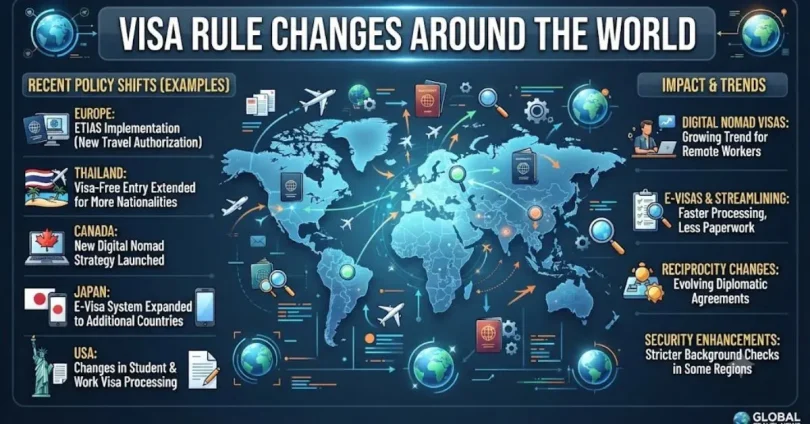
International travel continues to evolve as governments modernize immigration systems and respond to changing global conditions. Understanding Visa Rule Changes Around the World has become an essential part of travel planning, whether you’re taking your first overseas vacation or traveling regularly for work, study, or family visits.
Modern visa systems have introduced significant improvements, including online applications, electronic visas, biometric verification, and streamlined processing. These advancements make international travel more convenient while strengthening border security and reducing fraud. However, they also require travelers to remain informed, organized, and proactive. Even minor oversights—such as an expired passport, incomplete documentation, or outdated information—can result in costly delays or denied entry.
The best approach is to begin your preparations early, verify current visa requirements for your destination, gather all necessary documents, and allow sufficient time for processing. Staying informed about changing regulations helps you avoid unexpected complications and ensures a smoother travel experience.
As international travel continues to expand, visa policies will likely become even more digital, secure, and efficient. Travelers who understand these changes and adapt to new requirements will enjoy greater confidence, fewer disruptions, and more opportunities to explore the world. By making visa preparation an essential part of your travel planning, you can focus on what truly matters—enjoying safe, memorable, and rewarding journeys across the globe.
Introduction
International travel has become easier than ever, but visa regulations continue to evolve. Every year, governments introduce new immigration policies, update visa requirements, strengthen security measures, or simplify entry procedures to attract tourists and business travelers. Understanding Visa Rule Changes Around the World is essential for anyone planning an international trip.
Whether you’re traveling for tourism, business, education, work, or family visits, staying informed about visa updates can help you avoid unnecessary delays, rejected applications, or unexpected travel disruptions. Many countries are also introducing digital visas, electronic travel authorizations (ETAs), biometric verification, and online immigration systems that make the application process both easier and more secure.
For beginners, changing visa regulations may seem confusing. Requirements vary from one country to another, and even frequent travelers sometimes overlook important updates. Fortunately, learning how these changes work and preparing accordingly can save both time and money.
In this comprehensive guide, you’ll learn everything about Visa Rule Changes Around the World, including why governments change visa policies, how travelers can stay updated, the benefits and challenges of new regulations, common mistakes to avoid, frequently asked questions, and expert advice for hassle-free international travel.
What is Visa Rule Changes Around the World?
Visa Rule Changes Around the World refers to updates made by governments regarding the conditions under which foreign nationals can enter, stay, work, study, or transit through their countries.
These changes may include:
- New visa requirements
- Visa-free travel agreements
- Electronic visa (eVisa) systems
- Digital travel authorizations
- Updated documentation requirements
- Biometric verification
- Increased security screening
- Changes in visa validity
- Extended or reduced stay periods
- New immigration policies
Visa regulations are influenced by several factors such as national security, tourism growth, international relations, economic development, public health, and technological advancements.
For travelers, keeping up with these changes is just as important as booking flights or hotels.
Why is Visa Rule Changes Around the World Important?
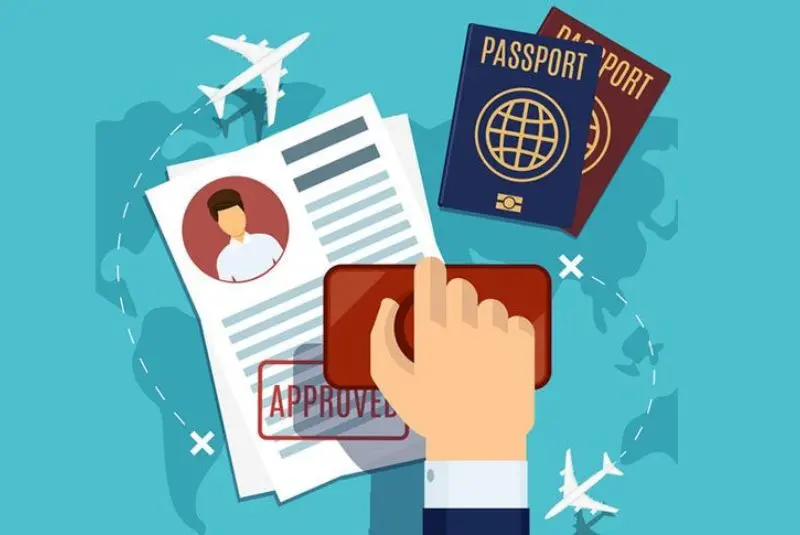
Understanding visa rule updates offers several important advantages.
Avoid Travel Disruptions
Many travelers arrive at airports only to discover that new visa rules now apply. Staying informed helps prevent denied boarding or entry.
Save Time
Knowing the latest documentation requirements allows applicants to prepare complete applications without unnecessary delays.
Reduce Visa Rejections
Updated regulations often include revised eligibility criteria. Meeting the latest requirements improves approval chances.
Better Travel Planning
Visa processing times may change. Travelers who know the latest rules can schedule their trips more effectively.
Easier Business Travel
Business travelers frequently visit multiple countries. Updated visa knowledge ensures smoother international meetings and conferences.
Student Mobility
Students planning overseas education must understand changing student visa policies before applying.
Improved Security
Many new visa systems use biometric verification and digital identity checks, making international travel more secure.
Detailed Step-by-Step Guide
Step 1: Identify Your Destination
Every country has different visa requirements.
Before making travel arrangements:
- Confirm your destination.
- Check whether you need a visa.
- Verify passport validity requirements.
- Review entry restrictions.
Different destinations may have completely different immigration rules.
Step 2: Understand Your Travel Purpose
Visa requirements depend on why you’re traveling.
Common visa categories include:
- Tourist Visa
- Business Visa
- Student Visa
- Work Visa
- Transit Visa
- Medical Visa
- Family Visit Visa
- Digital Nomad Visa
Applying under the correct category is essential.
tep 3: Check Passport Validity
Many countries require passports to remain valid for at least six months beyond your planned stay.
Some destinations also require:
- Blank passport pages
- Machine-readable passports
- Biometric passports
Ignoring passport validity is a common reason for travel problems.
Step 4: Review New Digital Visa Systems
Many countries now offer online immigration services.
Examples include:
- eVisa applications
- Electronic Travel Authorization (ETA)
- Online appointment systems
- Digital document uploads
Digital systems reduce paperwork while improving processing efficiency.
Step 5: Prepare Required Documents
Requirements vary but commonly include:
- Valid passport
- Passport-size photographs
- Completed application form
- Flight itinerary
- Hotel reservations
- Travel insurance
- Financial statements
- Invitation letter (if applicable)
- Employment documents
- Student enrollment proof
Preparing documents carefully speeds up approval.
Step 6: Monitor Processing Times
Visa processing can take:
- A few hours
- Several days
- Multiple weeks
- Several months
Peak travel seasons often increase waiting times.
Always apply well before departure.
Step 7: Understand Entry Conditions
Receiving a visa doesn’t always guarantee entry.
Immigration officers may still ask for:
- Return ticket
- Hotel booking
- Proof of funds
- Travel plans
- Health documents
Carry supporting documents even after receiving approval.
Step 8: Stay Updated Before Departure
Visa policies can change quickly.
Always review official travel requirements shortly before departure to ensure nothing has changed since your application.
Benefits of Visa Rule Changes Around the World
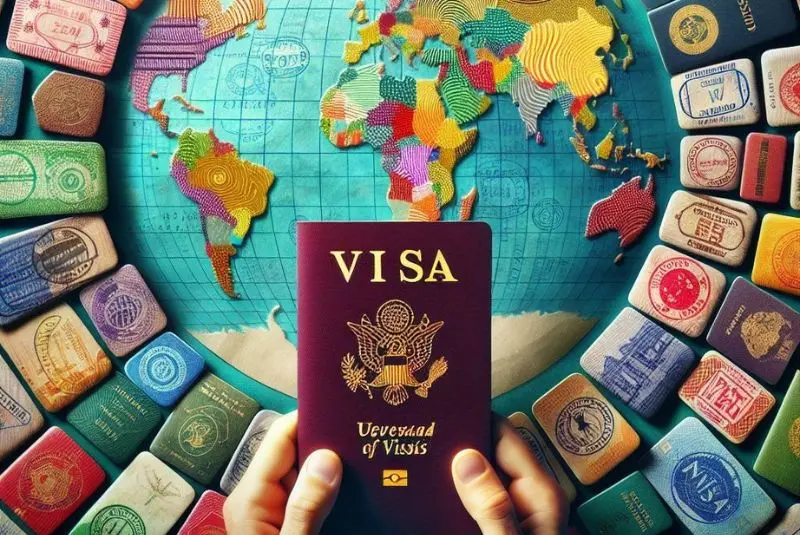
Modern visa reforms provide several advantages for travelers.
- Faster online applications
- Reduced paperwork
- Improved immigration security
- Shorter airport processing
- Better fraud prevention
- Increased international tourism
- Easier business mobility
- More transparent application procedures
- Digital document management
- Enhanced traveler convenience
- Greater international cooperation
- Expanded visa-free travel agreements
Many governments now aim to balance national security with traveler convenience.
Disadvantages / Risks
Despite many improvements, visa rule changes also present challenges.
- Frequent policy updates create confusion.
- Travelers may miss important deadlines.
- Increased documentation requirements.
- Higher visa application fees.
- Longer security screenings.
- Biometric appointments may be required.
- Technical issues with online applications.
- Processing delays during busy travel seasons.
- Additional health or insurance requirements.
- Different rules for different nationalities.
Proper preparation minimizes these risks.
Common Mistakes to Avoid
Many travelers make avoidable mistakes during visa applications.
Applying Too Late
Waiting until the last minute increases stress and may result in missed flights.
Ignoring Passport Expiry
Many applications are rejected because passports expire too soon.
Providing Incorrect Information
Even small errors can delay or reject an application.
Double-check:
- Names
- Passport numbers
- Dates
- Travel history
Using Outdated Requirements
Visa regulations change regularly.
Never rely on old information from previous trips.
Choosing the Wrong Visa Type
Applying for a tourist visa while intending to work or study can result in rejection.
Always choose the correct visa category.
Forgetting Supporting Documents
Incomplete applications often require additional review or rejection.
Create a checklist before submitting.
Ignoring Travel Insurance Requirements
Several countries now require valid travel insurance before granting visas.
Assuming Visa-Free Travel Never Changes
Visa-free agreements can change due to diplomatic or security reasons.
Always verify current rules before booking flights.
FAQs
Why do countries change visa rules?
Governments update visa policies for security, economic growth, tourism promotion, public health, immigration management, and international agreements.
How often do visa rules change?
Some countries update immigration regulations several times a year, while others make only occasional changes.
Travelers should always verify current requirements before each trip.
What is an eVisa?
An eVisa is an electronic visa issued online without visiting an embassy in many cases.
Applicants upload documents, pay fees online, and receive digital approval.
Does having a visa guarantee entry?
No.
Immigration officers make the final decision at the border after reviewing your documents and travel purpose.
What happens if my visa application is rejected?
The outcome depends on the country’s policies.
Some countries allow reapplication after correcting mistakes, while others provide an appeal process.
Always understand the reason for rejection before applying again.
Can visa rules change after I receive approval?
Yes.
Governments may introduce emergency travel restrictions or new entry requirements.
Travelers should check for updates immediately before departure.
Why are biometrics becoming more common?
Biometric verification improves identity confirmation, reduces fraud, enhances border security, and speeds up immigration processing.
Is travel insurance mandatory for every country?
No.
However, several destinations require approved travel insurance as part of their visa application process.
Always verify destination-specific requirements.
Expert Tips & Bonus Points
Experienced travelers follow several best practices to avoid visa problems.
Apply Early
Submitting your application well before travel provides time to resolve unexpected issues.
Keep Digital Copies
Store scanned versions of:
- Passport
- Visa
- Insurance
- Hotel bookings
- Flight tickets
Cloud storage provides easy access during emergencies.
Track Policy Updates
Check immigration announcements regularly while planning your trip.
Rules can change even after tickets have been purchased.
Organize Documents
Use folders for:
- Financial records
- Identity documents
- Travel confirmations
- Supporting letters
Well-organized paperwork speeds up immigration checks.
Maintain Honest Applications
Always provide accurate information.
Misrepresentation may lead to visa refusal or future travel restrictions.
Consider Processing Delays
Avoid scheduling flights immediately after your expected visa approval date.
Leave extra time for unexpected delays.
Review Transit Rules
Even short airport layovers may require transit visas in certain countries.
Never assume transit is automatically permitted.
Understand Local Entry Requirements
Some destinations may require:
- Arrival forms
- Customs declarations
- Health certificates
- Return tickets
- Accommodation proof
Preparing these documents reduces arrival stress.
Conclusion
International travel continues to evolve as governments modernize immigration systems and respond to changing global conditions. Understanding Visa Rule Changes Around the World has become an essential part of travel planning, whether you’re taking your first overseas vacation or traveling regularly for work, study, or family visits.
Modern visa systems have introduced significant improvements, including online applications, electronic visas, biometric verification, and streamlined processing. These advancements make international travel more convenient while strengthening border security and reducing fraud. However, they also require travelers to remain informed, organized, and proactive. Even minor oversights—such as an expired passport, incomplete documentation, or outdated information—can result in costly delays or denied entry.
The best approach is to begin your preparations early, verify current visa requirements for your destination, gather all necessary documents, and allow sufficient time for processing. Staying informed about changing regulations helps you avoid unexpected complications and ensures a smoother travel experience.
As international travel continues to expand, visa policies will likely become even more digital, secure, and efficient. Travelers who understand these changes and adapt to new requirements will enjoy greater confidence, fewer disruptions, and more opportunities to explore the world. By making visa preparation an essential part of your travel planning, you can focus on what truly matters—enjoying safe, memorable, and rewarding journeys across the globe.