
Introduction
Air travel continues to evolve every year, making it more important than ever for travelers to stay informed about Airline News and Flight Updates. Whether you’re planning a family vacation, traveling for business, or taking an international trip, keeping up with the latest flight information can save time, money, and unnecessary stress.
Flight schedules, baggage policies, airport procedures, weather disruptions, and airline regulations change frequently. Even a small update from an airline can affect your travel plans significantly. By staying informed, passengers can prepare for delays, avoid missed connections, and make better travel decisions.
Today’s airlines use modern technology to communicate with passengers through mobile apps, emails, text messages, and airport announcements. These updates help travelers receive real-time notifications about gate changes, cancellations, boarding times, and flight delays.
In this complete guide, you’ll learn everything you need to know about Airline News and Flight Updates, including why they matter, how to stay informed, common travel mistakes to avoid, and expert tips for a smoother journey. Whether you’re a first-time traveler or someone who flies regularly, this guide will help you travel with greater confidence and fewer surprises.
What is Airline News and Flight Updates?

Airline News and Flight Updates refer to the latest information provided by airlines, airports, and aviation authorities regarding flights, travel policies, schedules, and operational changes.
These updates may include:
- Flight delays
- Flight cancellations
- Gate changes
- Boarding time adjustments
- Weather alerts
- Airline policy updates
- New travel regulations
- Baggage rule changes
- Airport operational announcements
- New flight routes
These announcements are designed to help passengers make informed decisions before and during their journey.
For example, if severe weather affects an airport, airlines usually notify passengers in advance so they can reschedule or prepare accordingly.
Why is Airline News and Flight Updates Important?
Staying updated before and during travel offers several important benefits.
Avoid Flight Delays and Missed Connections
Real-time flight notifications help travelers know if their departure or arrival time has changed.
Save Money
Early notifications allow passengers to change bookings before additional charges apply.
Better Travel Planning
Knowing the latest airport conditions helps travelers plan transportation, hotel check-ins, and connecting flights.
Improved Safety
Airlines regularly announce safety-related information, including weather warnings and operational changes.
Reduced Stress
Unexpected travel disruptions become easier to manage when travelers receive updates in advance.
Better Customer Experience
Passengers who stay informed generally experience smoother airport procedures and fewer surprises.
Step-by-Step Guide to Staying Updated with Airline News and Flight Updates
Step 1: Book Directly with the Airline
Whenever possible, book your ticket directly through the airline.
Benefits include:
- Faster notifications
- Easier booking changes
- Better customer support
- Accurate flight information
Direct bookings also reduce communication delays that sometimes occur with third-party booking websites.
Step 2: Download the Airline’s Mobile App
Most major airlines offer official mobile applications.
These apps provide:
- Live flight status
- Digital boarding passes
- Gate notifications
- Boarding reminders
- Baggage tracking
- Schedule changes
Push notifications ensure you receive updates immediately.
Step 3: Enable Email and SMS Alerts
Always provide your correct email address and mobile number during booking.
Airlines use these channels to notify passengers about:
- Delays
- Cancellations
- Boarding announcements
- Schedule adjustments
Missing these alerts could result in unnecessary airport confusion.
Step 4: Check Flight Status Before Leaving Home
Many travelers assume their flight is on schedule.
Instead, check the latest status several hours before departure.
Look for:
- Departure time
- Terminal
- Gate number
- Delay notifications
- Weather conditions
This simple habit can save hours of waiting.
Step 5: Monitor Weather Forecasts
Weather remains one of the biggest causes of flight disruptions.
Common weather-related issues include:
- Heavy rain
- Snowstorms
- Strong winds
- Fog
- Thunderstorms
- Hurricanes
Checking weather forecasts allows travelers to prepare alternative plans if necessary.
Step 6: Arrive Early at the Airport
Even if your flight is on time, airport conditions may change quickly.
Experts recommend arriving:
- Domestic flights: 2 hours early
- International flights: 3 hours early
Extra time allows you to handle security checks and unexpected delays.
Step 7: Follow Airport Announcements
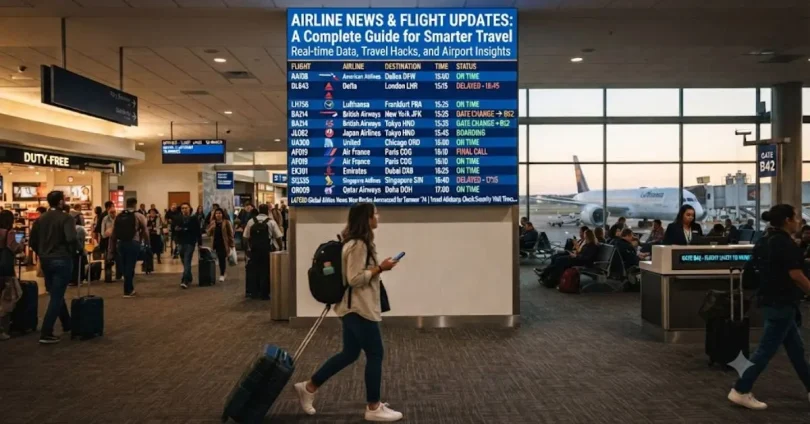
Digital boards and public announcements provide the latest information.
Watch for:
- Gate changes
- Boarding calls
- Security updates
- Terminal changes
Never rely only on printed boarding passes.
Step 8: Understand Airline Policies
Every airline has different rules regarding:
- Carry-on baggage
- Checked baggage
- Flight changes
- Refunds
- Cancellations
- Seating
Reviewing these policies before travel helps avoid last-minute surprises.
Step 9: Keep Important Documents Ready
Organize all travel documents before arriving at the airport.
These may include:
- Passport
- Visa
- Boarding pass
- Identification
- Travel insurance
- Vaccination records (where required)
Having everything ready speeds up airport procedures.
Step 10: Stay Flexible
Even with careful planning, unexpected situations may occur.
Being flexible makes it easier to:
- Rebook flights
- Change travel dates
- Accept alternate routes
- Handle weather disruptions
Flexibility often results in a less stressful travel experience.
Benefits of Airline News and Flight Updates

Keeping track of airline information offers many advantages.
- Helps avoid missed flights
- Reduces travel stress
- Saves money on booking changes
- Improves trip planning
- Provides real-time flight information
- Keeps passengers informed about delays
- Improves airport navigation
- Enhances travel safety
- Makes business travel more efficient
- Helps families coordinate pickups and drop-offs
- Supports smoother international travel
- Increases overall travel confidence
Disadvantages / Risks
Although flight updates are extremely useful, there are some challenges.
- Last-minute schedule changes can disrupt travel plans.
- Weather conditions remain unpredictable.
- Mobile notifications may occasionally be delayed.
- Technical issues can affect airline systems.
- Airport congestion may cause unexpected waiting times.
- Different airlines follow different communication methods.
- Third-party booking sites may deliver updates more slowly.
- Travelers who ignore notifications risk missing important information.
Fortunately, most of these risks can be reduced through proper planning.
Common Mistakes to Avoid
Many travelers unintentionally create travel problems by overlooking simple details.
Ignoring Flight Notifications
Some passengers disable notifications and miss critical updates.
Arriving Too Late
Unexpected traffic or longer security lines can cause missed flights.
Not Checking Passport Validity
Several countries require passports to remain valid for at least six months beyond travel dates.
Packing Restricted Items
Airport security may confiscate prohibited items, causing delays.
Depending on One Information Source
Always verify updates using the airline’s official communication channels.
Forgetting Travel Insurance
Insurance may help cover cancellations, delays, lost baggage, or medical emergencies.
Ignoring Weather Forecasts
Poor weather often causes airport delays that could have been anticipated.
Not Charging Electronic Devices
A fully charged phone is essential for accessing boarding passes and receiving updates.
FAQs
How often do airlines update flight information?
Airlines update flight information continuously throughout the day. Changes can happen minutes before departure, especially during bad weather or airport congestion.
What is the most common reason for flight delays?
Weather remains the leading cause of delays. Other reasons include technical inspections, air traffic congestion, crew scheduling, and airport operational issues.
Can flight schedules change after booking?
Yes. Airlines may adjust schedules due to operational requirements, seasonal demand, or weather conditions. Travelers should regularly monitor their bookings.
What should I do if my flight is cancelled?
Contact the airline immediately. Most airlines offer options such as rebooking, travel credits, refunds, or alternative routes depending on the circumstances.
How early should I check my flight status?
It is recommended to check your flight:
24 hours before departure
Again on the day of travel
Once more before leaving for the airport
This routine help
Are mobile flight notifications reliable?
Yes. Airline mobile apps, SMS alerts, and email notifications are generally reliable. However, travelers should also check airport display boards upon arrival.
Expert Tips & Bonus Points
Experienced travelers follow several smart habits that make every trip smoother.
- Save your airline’s customer service number before traveling.
- Check in online as soon as it becomes available.
- Pack essential medications in your carry-on luggage.
- Keep power banks charged for long travel days.
- Label all checked baggage clearly.
- Take screenshots of your boarding pass in case internet access becomes unavailable.
- Keep copies of passports and travel documents in secure digital storage.
- Track connecting flights separately during international journeys.
- Monitor airport traffic before leaving home.
- Consider flexible tickets if your travel dates may change.
Small preparations often make the biggest difference during unexpected travel situations.
Conclusion
Modern air travel is faster, more connected, and more convenient than ever before. However, it also depends heavily on timely communication between airlines and passengers. Staying informed through Airline News and Flight Updates allows travelers to respond quickly to schedule changes, weather disruptions, airport announcements, and airline policy updates. Instead of facing unnecessary stress, informed passengers can adjust their plans confidently and continue their journeys with minimal disruption.
Developing simple habits such as checking flight status before leaving home, enabling airline notifications, arriving early at the airport, and monitoring weather conditions can greatly improve the overall travel experience. These small actions help reduce the chances of missed flights, unexpected expenses, and last-minute confusion.
Whether you’re traveling for business, education, or leisure, reliable flight information is an essential part of every successful trip. As airlines continue adopting advanced technology and real-time communication tools, passengers have more opportunities than ever to stay informed and travel efficiently.
By following the guidance in this article, you’ll be better prepared to handle changing travel conditions, make smarter decisions, and enjoy a safer, smoother, and more organized journey wherever your destination may be. Staying updated is no longer just a convenience—it is an important part of modern travel planning.