
Introduction
Have you ever looked at a globe and felt a pull toward distant horizons, only to look at your bank account and feel that dream slip away? Many people believe that international travel is reserved exclusively for the wealthy, but that is a misconception that keeps countless adventurers grounded. The truth is that learning how to travel the world on a budget is entirely possible with the right mindset, strategic planning, and a bit of adventurous spirit. You do not need a massive inheritance or a six-figure salary to experience the vibrant cultures, stunning landscapes, and unforgettable cuisines that this planet has to offer.
Traveling affordably is not about sacrificing every comfort or living in misery; it is about making conscious, intelligent choices that allow your money to stretch further. By prioritizing experiences over luxury and flexibility over rigidity, you can transform your travel goals into reality. Whether you are a student taking a gap year, a remote worker looking for a change of scenery, or a professional planning your first solo trip, the strategies shared here will empower you to navigate the globe sustainably. In this comprehensive guide, we will break down the essential steps to master budget travel, ensuring you can see the world without breaking your bank account. Let us embark on this journey to freedom together.
What is Budget Travel?

Budget travel is an approach to exploring the world that emphasizes cost-efficiency and resourcefulness. It involves making deliberate decisions to minimize expenses while maximizing the quality of your experiences. Rather than focusing on high-end hotels, first-class flights, and expensive tourist traps, a budget traveler looks for value.
This lifestyle is centered around the idea that the world is accessible if you know how to navigate it. It often involves staying in hostels, eating local street food, utilizing public transportation, and visiting destinations where your currency goes further. Budget travel is not about “cheap” in a negative sense; it is about “value” in a meaningful sense. It allows you to spend more time on the road, travel to more locations, and immerse yourself deeper into local communities by living more like the residents rather than the tourists.
Why is Travel on a Budget Important?
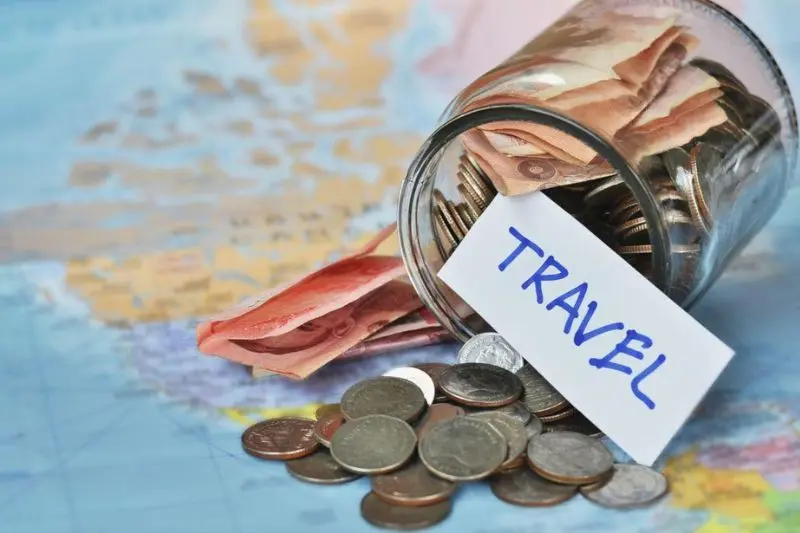
Learning how to travel the world on a budget is important because it democratizes the experience of global exploration. When you are not limited by massive price tags, the world suddenly becomes an open map. This freedom allows you to choose your destinations based on genuine interest rather than just what you can afford.
Furthermore, budget travel fosters resilience and creativity. Navigating a foreign city on a local bus or finding a hidden gem of a restaurant in a quiet alleyway teaches you problem-solving skills that travel agents cannot provide. It encourages you to step out of your comfort zone and interact with the world in a raw, authentic way. By saving money, you gain the ability to travel for longer durations, which provides a deeper level of cultural immersion that a week-long luxury vacation simply cannot match. It turns travel from a fleeting escape into a transformative lifestyle.
Detailed Step-by-Step Guide
Planning Your Financial Foundation
Before you book a single ticket, you must define your travel budget. Start by looking at your monthly expenses and identifying areas where you can cut back to build your “travel fund.” Even small amounts saved consistently over a year can fund a multi-month trip. Research the cost of living in your target destinations to set realistic expectations.
Mastering the Art of Cheap Flights
Flights are often the biggest expense for any trip. To save money, use incognito modes when searching for airfare and remain flexible with your travel dates. Mid-week flights are almost always cheaper than weekend departures. Additionally, utilize flight comparison tools to track prices and set alerts for when rates drop. If possible, travel during the shoulder season—the period between peak and off-peak travel—to snag lower prices on both airfare and accommodation.
Finding Affordable Accommodation
Hostels are the gold standard for budget travel, but they are not the only option. Consider couch-surfing platforms, house-sitting opportunities, or even guesthouses. If you are traveling in a group, renting a local apartment can often be cheaper per person than booking individual hotel rooms. Look for places with kitchen access; preparing your own breakfast or dinner just a few times a week will save you a fortune.
Navigating Local Transportation
Avoid taxis whenever possible. They are the quickest way to drain your budget. Instead, learn to use local bus networks, trains, or metro systems. In many parts of the world, walking is the absolute best way to see a city. If you are traveling through a country with a good rail system, invest in a regional rail pass to save on long-distance travel costs.
Eating Like a Local
Food is one of the greatest joys of travel, but it can also be expensive if you stick to tourist-heavy restaurants. Instead, look for where the locals eat. Street food stalls, night markets, and local neighborhood cafes usually offer the best flavors at a fraction of the price of tourist-oriented eateries. Embrace the local staple foods, which are often the most affordable items on any menu.
Benefits of Traveling on a Budget
- Longer Travel Duration: Spending less per day means you can stay on the road for weeks or months longer than planned.
- Cultural Immersion: Staying in local neighborhoods provides a authentic look at how people actually live in your destination.
- Problem-Solving Skills: You will become adept at navigating complex transit systems and managing finances in foreign currencies.
- Reduced Stress: Knowing you are not overspending provides peace of mind, allowing you to focus on the journey rather than the bill.
- Increased Flexibility: A smaller budget allows you to change your plans on a whim if you hear about a better destination from a fellow traveler.
- Greater Appreciation: When you have to earn or save for every meal, you learn to value the experiences and people you encounter even more.
Disadvantages / Risks
- Less Convenience: You may have to take a bus that takes six hours instead of a flight that takes one.
- Safety Considerations: Budget-friendly hostels or neighborhoods may not have the same level of security as high-end luxury resorts.
- Physical Fatigue: Public transit and walking are tiring; budget travel is often more physically demanding than luxury tourism.
- Hidden Costs: Cheap options can sometimes lead to unexpected expenses, such as needing to pay for private transport when public options fail.
- Planning Intensity: Finding the best deals requires significant time and research compared to simply booking a pre-packaged vacation.
Common Mistakes to Avoid
The most frequent error travelers make when learning how to travel the world on a budget is failing to plan for the unexpected. Always keep an emergency fund separate from your daily travel budget. Another common mistake is trying to see too much in too little time. Moving from city to city every two days increases transportation costs significantly and prevents you from actually experiencing a location. Stick to a slower pace to save on transit fees. Furthermore, do not ignore travel insurance. While it costs money upfront, a medical emergency in a foreign country without insurance can ruin your finances for years. Lastly, avoid falling for “tourist traps” that promise an authentic experience but deliver overpriced, mediocre results.
Is it safe to stay in hostels?
Yes, most hostels are very safe. Read reviews on reputable platforms to see what other travelers say about security, lockers, and the vibe of the place.
How much money do I need to start?
This depends entirely on your destination. Research the daily cost of living in countries like Vietnam or Thailand versus Switzerland or Norway to set a realistic goal.
Should I use a travel credit card?
If you have excellent credit, a travel card can help you earn points for flights and hotels, but avoid credit card debt at all costs.
How do I get around the language barrier on a budget?
Download offline language apps, learn a few key phrases, and use visual cues. Most people are helpful regardless of the language barrier.
Is it better to book in advance or go with the flow?
For flights, booking in advance is usually better. For accommodation, booking in advance is wise during peak season, but “going with the flow” can lead to great last-minute deals.
Can I work while I travel?
Yes, consider “work exchange” programs where you volunteer a few hours a day in exchange for free room and board.
Expert Tips & Bonus Points
To excel at budget travel, prioritize packing light to avoid excess baggage fees and ensure you can navigate cities using affordable local transit. Upon arrival, skip international roaming plans; instead, purchase a local SIM or eSIM for cost-effective data to access maps and real-time transit pricing. When managing money, use accounts that offer fee-free international withdrawals and always decline dynamic currency conversion at ATMs to secure better rates.
Extend your stay by utilizing work-exchange platforms, trading a few hours of help for free accommodation, which also provides a built-in local community. Travel during the “shoulder season” to avoid peak prices, and always check local event calendars to steer clear of inflated costs during festivals. When moving between cities, consider overnight trains or buses to combine transport with lodging expenses. Finally, focus your spending on unique experiences rather than tourist traps. Eat in residential districts, shop at local markets, and actively network with fellow travelers in hostels; their real-time advice on secret gems and transit hacks is often more valuable than any guidebook. This intentional, resourceful approach allows you to extend your journey significantly while deepening your cultural connection.
Conclusion
Learning how to travel the world on a budget is one of the most rewarding challenges you will ever undertake. It transforms you from a passive tourist into an active explorer, forcing you to engage with your surroundings, manage your resources, and connect with people from all walks of life. While the path may be less conventional than a standard luxury tour, the memories you create will be infinitely more rich and personal. You will find that the lack of excessive spending does not diminish the quality of your trip; instead, it strips away the superficial layers and allows you to reach the heartbeat of a new culture.
As you plan your next adventure, remember that travel is not a race to see the most landmarks or a competition to stay in the most expensive suites. It is an opportunity to learn, to grow, and to understand our vast, complex world better. By applying these budget-friendly strategies, you are not just saving money; you are buying yourself more time, more freedom, and more stories to tell. The world is waiting for you, and it does not require a fortune to explore. Start small, stay curious, and keep moving forward. Your budget-friendly adventure starts the moment you decide to take that first step. Safe travels, and may your experiences be worth far more than the currency in your pocket.