
Introduction
Traveling to another country is an exciting opportunity to explore different cultures, meet new people, and create unforgettable memories. Whether you are planning your first international vacation or preparing for another overseas adventure, staying healthy and safe should always be your highest priority. Every destination has unique customs, weather conditions, transportation systems, and health risks that travelers should understand before departure.
Following health and safety tips while traveling abroad can help you avoid common travel problems such as illness, theft, accidents, and unexpected emergencies. Proper planning allows you to enjoy your trip with greater confidence while reducing unnecessary stress. From carrying travel insurance to practicing good hygiene and respecting local laws, small precautions can make a significant difference.
Many travel-related issues can be prevented with careful preparation. Learning about your destination, packing essential medical supplies, and staying aware of your surroundings will help you respond effectively to unexpected situations. Whether you are traveling for business, leisure, education, or family visits, adopting smart travel habits keeps your journey enjoyable from beginning to end.
This comprehensive guide explains practical health and safety strategies, highlights common mistakes to avoid, answers frequently asked questions, and shares expert advice to help beginners and experienced travelers enjoy safer international adventures.
What Are Health and Safety Tips While Traveling Abroad?
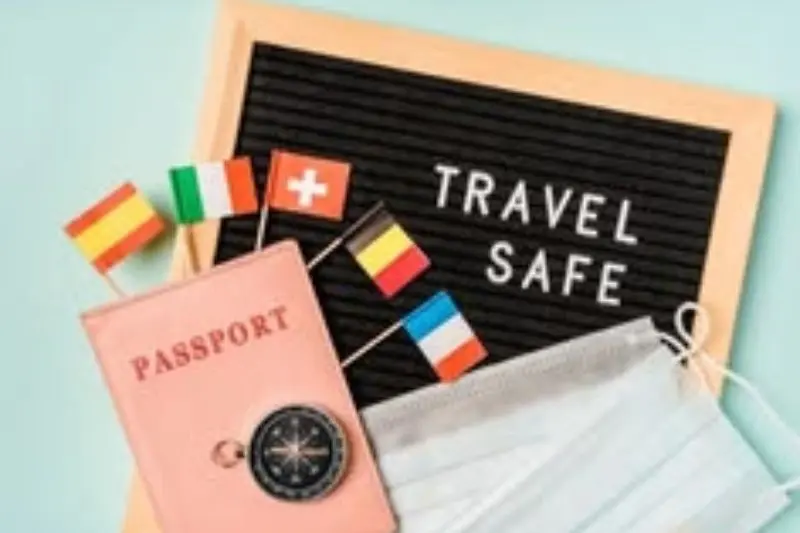
Health and safety tips while traveling abroad are practical guidelines designed to protect travelers from illnesses, accidents, scams, and emergencies during international trips.
These recommendations include:
- Preparing before departure
- Keeping important documents secure
- Maintaining personal hygiene
- Eating and drinking safely
- Staying aware of local surroundings
- Following local laws and customs
- Having emergency contact information available
These simple habits reduce risks and improve the overall travel experience.
Why Are Health and Safety Tips While Traveling Abroad Important?
International travel often exposes people to unfamiliar environments. Different climates, foods, transportation systems, and health conditions may create unexpected challenges.
The importance of following health and safety tips includes:
- Reducing the chance of illness
- Preventing theft and scams
- Improving emergency preparedness
- Protecting important travel documents
- Increasing confidence during travel
- Helping travelers make informed decisions
- Ensuring a more relaxing vacation
Preparation gives travelers peace of mind and allows them to focus on enjoying their destination.
Detailed Step-by-Step Guide
1. Research Your Destination
Before booking your trip, learn about your destination.
Research:
- Local laws
- Weather conditions
- Cultural customs
- Health advisories
- Safe neighborhoods
- Transportation options
- Emergency services
Being informed helps you avoid unnecessary risks.
2. Get Necessary Vaccinations
Some countries recommend or require specific vaccinations before entry.
Visit your healthcare provider several weeks before departure to discuss:
- Routine vaccinations
- Destination-specific vaccines
- Prescription medications
- Medical advice for existing conditions
Carry vaccination records if required.
3. Purchase Travel Insurance
Travel insurance provides financial protection if unexpected problems occur.
A good policy should cover:
- Medical emergencies
- Hospital treatment
- Emergency evacuation
- Lost baggage
- Trip cancellation
- Personal liability
Travel insurance can save thousands of dollars during emergencies.
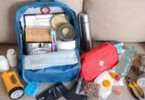
4. Pack a Travel Health Kit
A small medical kit can solve many minor problems.
Include:
- Pain relievers
- Adhesive bandages
- Antiseptic wipes
- Thermometer
- Prescription medications
- Motion sickness medicine
- Hand sanitizer
- Sunscreen
- Insect repellent
Replace expired medications before traveling.
5. Protect Your Important Documents
Always safeguard your passport and travel documents.
Helpful tips include:
- Make digital copies
- Carry printed copies
- Store originals securely
- Use a hotel safe when possible
- Keep emergency contact information separate
Losing your passport can significantly disrupt your trip.
6. Stay Hydrated and Eat Safely
Food and water safety vary by destination.
Follow these practices:
- Drink bottled or purified water if necessary.
- Eat freshly cooked meals.
- Wash fruits before eating.
- Avoid undercooked meat.
- Be cautious with street food.
Good food choices help prevent stomach illnesses.
7. Practice Good Hygiene
Simple hygiene habits reduce infection risks.
Remember to:
- Wash hands regularly.
- Use hand sanitizer.
- Avoid touching your face.
- Cover coughs and sneezes.
- Dispose of waste properly.
Healthy habits protect both you and those around you.
8. Stay Aware of Your Surroundings
Situational awareness is one of the best travel safety skills.
Stay alert by:
- Avoiding distractions while walking
- Keeping valuables out of sight
- Watching your belongings
- Avoiding isolated areas at night
- Trusting your instincts
If something feels unsafe, leave immediately.
9. Use Reliable Transportation
Choose transportation carefully.
Safer options include:
- Licensed taxis
- Official airport transfers
- Reputable ride-sharing services
- Public transportation recommended by locals
Avoid accepting rides from strangers.
10. Keep Family Informed
Share your travel plans with someone you trust.
Provide:
- Flight information
- Hotel addresses
- Emergency contacts
- Daily itinerary when possible
Regular communication provides reassurance and improves emergency response if needed.
Benefits of Health and Safety Tips While Traveling Abroad
Following these practices offers many advantages:
- Reduced risk of illness
- Better emergency preparedness
- Increased travel confidence
- Protection against scams
- Greater personal security
- Lower medical expenses
- Safer transportation choices
- Better food safety
- More enjoyable travel experiences
- Peace of mind throughout the journey
Disadvantages and Risks of Ignoring Safety Tips
Ignoring health and safety precautions may result in:
- Food poisoning
- Theft or robbery
- Lost travel documents
- Medical emergencies
- Financial losses
- Missed flights
- Travel delays
- Legal issues
- Increased stress
- Unsafe situations
Many of these risks can be minimized through proper preparation.
Common Mistakes to Avoid
Many travelers unknowingly increase their risk by making avoidable mistakes.
Common errors include:
- Traveling without insurance.
- Forgetting prescription medications.
- Ignoring local laws.
- Carrying excessive cash.
- Sharing travel plans publicly on social media.
- Leaving belongings unattended.
- Drinking unsafe water.
- Walking alone late at night in unfamiliar areas.
- Not researching emergency numbers.
- Failing to back up important documents.
Avoiding these mistakes improves your overall travel safety.
FAQs
Why is travel insurance important?
Travel insurance helps cover unexpected medical expenses, trip cancellations, emergency evacuations, and lost baggage. It offers financial protection when unexpected situations occur.
Should I drink tap water while traveling abroad?
It depends on the destination. Research local water quality before traveling. If unsure, choose bottled or purified water to reduce the risk of illness.
What should I pack in a travel first-aid kit?
Include pain relievers, bandages, antiseptic wipes, prescription medicines, hand sanitizer, sunscreen, insect repellent, and any personal medical supplies.
How can I avoid travel scams?
Research common scams before arrival, stay alert in crowded places, avoid strangers offering unusual deals, and use official transportation services whenever possible.
Is it safe to use public Wi-Fi?
Public Wi-Fi can expose your personal information. Avoid accessing banking accounts on unsecured networks and use secure connections whenever possible.
What should I do if I lose my passport?
Report the loss immediately to local authorities and contact your country’s embassy or consulate for replacement assistance. Keeping photocopies of your passport can speed up the process.
Expert Tips & Bonus Points
Experienced travelers often follow additional habits that improve safety and comfort.
- Learn a few basic phrases in the local language.
- Keep emergency cash in separate locations.
- Charge your phone before leaving your accommodation.
- Download offline maps before traveling.
- Carry a portable power bank.
- Register with your embassy if traveling for an extended period.
- Wear comfortable shoes to reduce injuries.
- Respect local traditions and dress appropriately.
- Keep valuables hidden instead of displaying expensive items.
- Stay flexible and have backup travel plans for unexpected delays.
Building these habits over time makes every international journey smoother and more enjoyable.
Conclusion
International travel offers incredible opportunities for learning, adventure, and personal growth. However, every successful journey begins with careful planning and responsible decision-making. Following health and safety tips while traveling abroad helps reduce risks while allowing you to fully enjoy new experiences with greater confidence.
Preparing before departure, purchasing travel insurance, practicing good hygiene, protecting your important documents, and staying aware of your surroundings are simple yet highly effective ways to stay safe. These habits not only protect your health but also reduce stress during unexpected situations.
Every destination presents unique opportunities and challenges, making preparation an essential part of responsible travel. By researching your destination, respecting local customs, using reliable transportation, and keeping family members informed, you create a safer and more enjoyable travel experience.
Whether you are traveling for the first time or already have international travel experience, making safety a daily priority ensures that your adventures remain memorable for all the right reasons. With proper planning, smart choices, and a positive attitude, you can confidently explore the world while protecting your health, your belongings, and your peace of mind.