
Introduction
Travel offers exciting opportunities to discover new places, experience different cultures, and create unforgettable memories. However, even the most carefully planned trip can face unexpected situations. Flight cancellations, lost luggage, severe weather, medical emergencies, natural disasters, or misplaced travel documents can quickly turn an enjoyable journey into a stressful experience. This is why having a reliable Emergency Travel Preparedness Guide is essential for every traveler.
Preparing for emergencies does not mean expecting the worst. Instead, it means taking smart precautions that help you respond calmly and confidently when unexpected events occur. Whether you’re traveling within your country or exploring an international destination, a little preparation can save time, money, and unnecessary stress.
This guide is designed for beginners and intermediate travelers who want practical advice on staying safe while traveling. You’ll learn how to prepare before departure, pack emergency essentials, protect important documents, handle medical situations, and respond to common travel emergencies. By following these recommendations, you can reduce risks and enjoy your journey with greater peace of mind.
Remember, successful travel isn’t only about choosing the perfect destination. It’s also about being ready for the unexpected. With the right preparation, you can overcome challenges, protect yourself and your belongings, and continue enjoying your adventure no matter what surprises come your way.
What is an Emergency Travel Preparedness Guide?
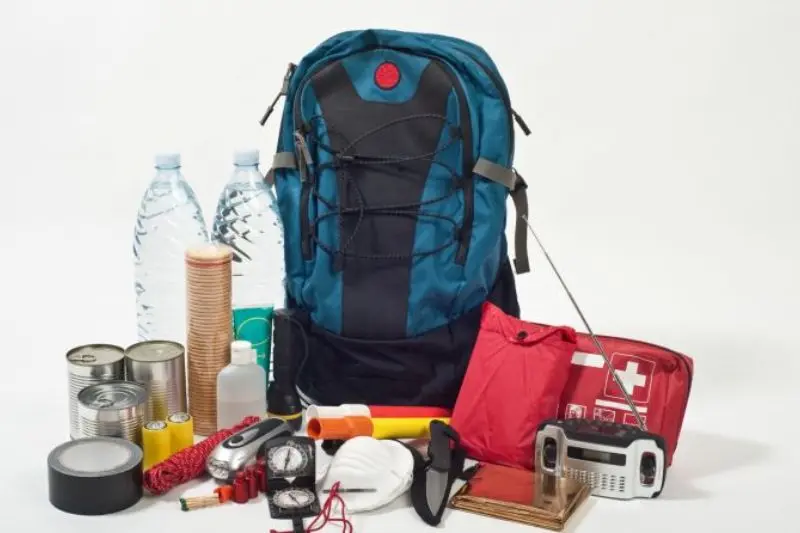
An Emergency Travel Preparedness Guide is a practical plan that helps travelers prepare for unexpected situations before and during a trip. It includes essential safety measures, emergency contacts, travel documents, health preparations, financial backup plans, and emergency supplies.
Rather than reacting to problems without a plan, prepared travelers know exactly what steps to take when emergencies occur.
Common emergencies include:
- Medical emergencies
- Flight delays or cancellations
- Lost passports
- Stolen wallets
- Natural disasters
- Political unrest
- Vehicle breakdowns
- Communication failures
- Extreme weather
Preparation allows travelers to respond quickly and minimize disruptions.
Why is Emergency Travel Preparedness Important?
Travel emergencies often happen without warning. Good preparation reduces panic and helps travelers make informed decisions.
Some key reasons include:
- Protects your health and safety
- Saves valuable time during emergencies
- Reduces financial losses
- Makes communication easier
- Helps family members stay informed
- Improves confidence while traveling
- Supports faster recovery from unexpected situations
Being prepared doesn’t remove every risk, but it greatly improves your ability to handle challenges effectively.
Detailed Step-by-Step Guide
Step 1: Research Your Destination
Preparation begins before booking your trip.
Research:
- Local laws
- Weather conditions
- Health risks
- Emergency services
- Safe neighborhoods
- Transportation options
- Local customs
Knowing what to expect helps you avoid unnecessary risks.
Step 2: Organize Important Documents
Keep both physical and digital copies of:
- Passport
- Visa
- Travel insurance
- Hotel reservations
- Flight tickets
- Identification cards
- Driver’s license
Store digital copies securely on cloud storage and your phone.
Step 3: Purchase Travel Insurance
Travel insurance provides financial protection for unexpected events.
Look for coverage including:
- Medical treatment
- Emergency evacuation
- Trip cancellation
- Lost baggage
- Delayed flights
- Personal liability
Read policy details carefully before purchasing.
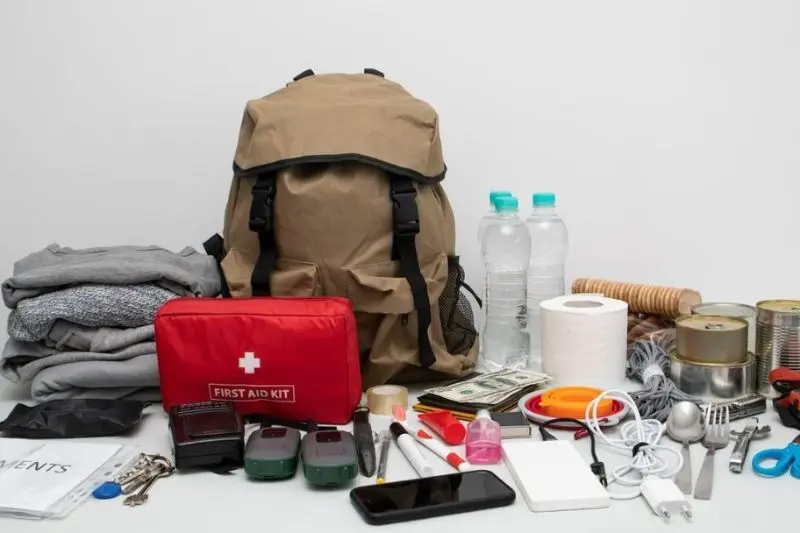
Step 4: Pack an Emergency Kit
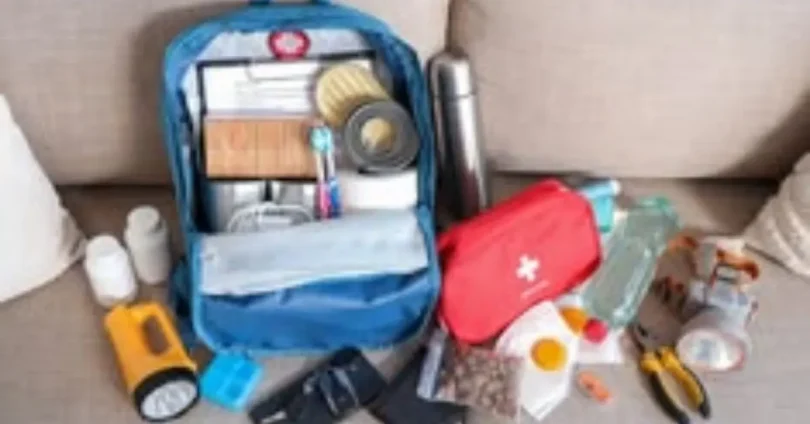
A compact emergency kit should include:
- First aid supplies
- Prescription medicines
- Pain relievers
- Bandages
- Flashlight
- Portable charger
- Power bank
- Water purification tablets
- Emergency blanket
- Multi-purpose tool (where permitted)
- Face masks
- Hand sanitizer
Customize the kit according to your destination.
Step 5: Prepare Financial Backups
Avoid relying on a single payment method.
Carry:
- Credit card
- Debit card
- Small amount of local currency
- Emergency cash stored separately
Inform your bank before international travel to prevent card blocks.
Step 6: Share Your Travel Plan
Tell trusted family members or friends:
- Flight information
- Hotel details
- Daily itinerary
- Emergency contacts
Regular check-ins provide reassurance and improve safety.
Step 7: Save Emergency Numbers
Store important contacts both digitally and on paper.
Include:
- Local emergency services
- Embassy or consulate
- Hotel reception
- Travel insurance provider
- Family contacts
- Local tour operator
Quick access saves valuable time during emergencies.
Step 8: Stay Connected
Reliable communication is essential.
Options include:
- International roaming
- Local SIM card
- Portable Wi-Fi device
- Offline maps
- Translation apps
Download maps before traveling to areas with limited internet access.
Step 9: Protect Your Personal Belongings
Reduce theft risks by:
- Using anti-theft backpacks
- Wearing money belts
- Keeping valuables hidden
- Avoiding public display of expensive items
- Locking luggage
- Using hotel safes
Remain aware of your surroundings in crowded areas.
Step 10: Stay Calm During Emergencies
Unexpected situations require clear thinking.
If an emergency occurs:
- Assess the situation.
- Move to a safe location.
- Contact emergency services.
- Inform family.
- Follow local authorities’ instructions.
- Use your emergency plan.
Remaining calm improves decision-making.
Benefits of Emergency Travel Preparedness
Proper travel preparation offers many advantages:
- Reduces travel stress
- Improves personal safety
- Speeds emergency response
- Protects valuable documents
- Prevents financial difficulties
- Builds travel confidence
- Encourages responsible planning
- Minimizes trip disruptions
- Supports better health management
- Helps travelers adapt quickly
Prepared travelers often recover faster from unexpected situations.
Disadvantages / Risks
Even good preparation has limitations.
Potential challenges include:
- Additional planning time
- Extra travel expenses
- Slightly heavier luggage
- Insurance may have exclusions
- Some emergencies remain unpredictable
- Plans may require adjustments
Despite these drawbacks, preparation remains worthwhile.
Common Mistakes to Avoid
Many travelers make preventable errors.
Avoid these common mistakes:
- Traveling without insurance
- Ignoring weather forecasts
- Carrying only one payment method
- Forgetting prescription medications
- Not backing up documents
- Overpacking unnecessary items
- Ignoring local safety advice
- Sharing travel plans publicly on social media
- Failing to charge electronic devices
- Waiting until the last minute to prepare
Learning from these mistakes improves future travel experiences.
FAQs
Why is emergency travel preparedness important?
It helps travelers respond quickly during unexpected situations, reducing stress, protecting finances, and improving overall safety.
What should every emergency travel kit include?
A first aid kit, medications, flashlight, portable charger, emergency blanket, identification copies, water, snacks, and emergency contact information are essential.
Is travel insurance really necessary?
Yes. It can cover medical emergencies, cancellations, lost baggage, emergency evacuations, and other unexpected expenses that may become very costly.
How can I protect my passport while traveling?
Keep it in a secure location, use a protective holder, make digital copies, and avoid carrying it unless required.
What should I do if my wallet is stolen?
Immediately block your bank cards, report the theft, contact local authorities if necessary, and use your emergency backup funds.
How often should I review my emergency plan?
Review it before every trip. Update emergency contacts, insurance information, medications, and travel documents regularly.
Expert Tips & Bonus Points
Experienced travelers recommend preparing for situations before they happen.
Helpful tips include:
- Pack one extra day’s clothing in your carry-on.
- Keep important medications easily accessible.
- Download offline navigation maps.
- Carry a reusable water bottle.
- Learn a few local emergency phrases.
- Keep emergency cash separate from your wallet.
- Charge devices whenever possible.
- Label your luggage clearly.
- Arrive at airports early during peak seasons.
- Trust your instincts if a situation feels unsafe.
- Avoid isolated areas at night.
- Maintain flexibility in your travel schedule.
- Monitor local news for weather and safety updates.
- Keep emergency contacts printed in case your phone battery dies.
- Practice basic first aid before traveling.
- Review your insurance policy so you understand what is covered before an emergency occurs.
Preparation isn’t about expecting disaster. It’s about increasing confidence so you can enjoy your journey with fewer worries.
Conclusion
Every trip comes with some level of uncertainty, but careful planning can significantly reduce the impact of unexpected events. An Emergency Travel Preparedness Guide provides travelers with practical strategies for handling medical emergencies, transportation issues, lost documents, financial problems, and other unexpected challenges. Instead of reacting with panic, prepared travelers respond with confidence and clear decision-making.
From researching destinations and purchasing travel insurance to organizing emergency contacts and packing essential supplies, every small step contributes to a safer travel experience. These preparations require only a little extra effort before departure but can make a tremendous difference when problems arise.
Travel should be an enjoyable and rewarding experience, not one overshadowed by avoidable emergencies. By following the guidance in this article, beginners and experienced travelers alike can improve their readiness, protect themselves and their belongings, and travel with greater peace of mind.
No journey is completely predictable, but preparation gives you the confidence to face unexpected situations successfully. Make emergency preparedness part of every travel plan, and you’ll be better equipped to enjoy your adventures safely, responsibly, and with confidence wherever your travels take you.