
Introduction
Packing is one of the most important parts of planning any journey. Whether you are heading on a weekend getaway, a family vacation, a business trip, or an international adventure, how you pack can make a huge difference in your travel experience. Many travelers focus only on fitting everything into a suitcase, but safe packing goes beyond saving space. It involves protecting your belongings, keeping important documents secure, organizing essentials, and preparing for unexpected situations.
Safe packing tips for every trip help travelers reduce stress, avoid damaged belongings, and stay organized throughout their journey. A well-packed bag allows you to find items quickly, prevents unnecessary baggage fees, and minimizes the chances of losing valuables. It also makes airport security checks easier and helps you adapt to changing weather or travel conditions.
Both beginners and experienced travelers can benefit from developing smart packing habits. From choosing the right luggage to separating fragile items and keeping emergency essentials within reach, every small step contributes to a smoother travel experience.
This guide covers everything you need to know about safe packing tips for every trip. You’ll learn practical techniques, common mistakes to avoid, and expert advice that will help you travel confidently, whether you’re exploring nearby destinations or traveling across the world.
What is Safe Packing Tips for Every Trip?

Safe packing tips for every trip refer to the methods and strategies used to organize luggage efficiently while protecting your belongings during travel. These practices ensure that clothes, electronics, documents, medications, and valuables remain secure and easily accessible throughout your journey.
Safe packing is not simply about carrying fewer items. Instead, it focuses on packing smarter by selecting appropriate luggage, distributing weight evenly, using protective organizers, and preparing for unexpected travel situations.
Good packing habits help travelers save time, reduce stress, and avoid unnecessary expenses caused by damaged luggage or forgotten essentials.
Why is Safe Packing Important?
Safe packing plays a vital role in creating a comfortable travel experience. Properly packed luggage reduces the risk of broken items, misplaced belongings, and unnecessary delays.
Some important reasons include:
- Protects fragile belongings.
- Prevents overpacking.
- Makes airport security checks easier.
- Reduces baggage fees.
- Keeps travel documents organized.
- Saves time when unpacking.
- Makes emergencies easier to manage.
- Improves overall travel comfort.
When everything has its proper place, your journey becomes more enjoyable from departure to arrival.
Detailed Step-by-Step Guide
Step 1: Choose the Right Luggage
Start by selecting luggage that matches your trip.
Consider:
- Trip duration
- Transportation method
- Weather conditions
- Airline baggage limits
A durable suitcase with strong wheels and quality zippers offers better protection than an old, damaged bag.
Step 2: Prepare a Packing Checklist
Before packing, write a checklist.
Include categories like:
- Clothing
- Toiletries
- Electronics
- Medications
- Travel documents
- Chargers
- Personal items
A checklist helps prevent forgotten essentials while reducing unnecessary packing.
Step 3: Pack Only What You Need
Overpacking is one of the biggest travel mistakes.
Instead:
- Pack versatile clothing.
- Choose neutral colors.
- Reuse outfits.
- Limit extra shoes.
- Avoid carrying unnecessary gadgets.
Travel becomes much easier with lighter luggage.
Step 4: Roll Clothes Instead of Folding
Rolling clothes offers several advantages.
It:
- Saves space
- Reduces wrinkles
- Makes organization easier
- Allows quick access
Packing cubes can further improve organization by separating clothing categories.
Step 5: Protect Fragile Items
Wrap fragile belongings carefully.
Use:
- Soft clothing
- Bubble wrap
- Small towels
- Protective cases
Place delicate items in the center of your suitcase where they receive extra cushioning.
Step 6: Secure Important Documents
Never pack passports, identification cards, travel insurance papers, or boarding passes inside checked luggage.
Instead, keep them in:
- A travel wallet
- A zippered pouch
- Your carry-on bag
Digital copies stored securely on your phone or cloud storage provide additional protection.
Step 7: Keep Valuables in Carry-On Bags
Items such as:
- Laptops
- Cameras
- Jewelry
- Cash
- Tablets
- Power banks
should always remain with you rather than inside checked luggage.
This reduces the risk of loss or theft.
Step 8: Organize Liquids Properly
Toiletries should be packed carefully.
Tips include:
- Use leak-proof bottles.
- Seal containers in plastic bags.
- Tighten bottle caps.
- Follow airline liquid restrictions.
Keeping liquids separate protects clothing from accidental spills.
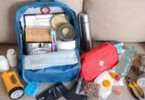
Step 9: Pack Emergency Essentials
Unexpected delays happen.
Carry essentials such as:
- Prescription medicine
- Phone charger
- Power bank
- Small snacks
- Water bottle
- Basic first-aid kit
- Extra clothing
These items can make long delays much more comfortable.
Step 10: Lock and Label Your Luggage
Finish by securing your luggage.
Use:
- TSA-approved locks
- Strong luggage tags
- Contact information
- Distinct luggage straps
These simple additions help identify your suitcase and discourage theft.
Benefits of Safe Packing Tips for Every Trip
Following safe packing practices provides many advantages:
- Reduces travel stress.
- Keeps luggage organized.
- Protects fragile belongings.
- Saves valuable packing space.
- Prevents forgotten essentials.
- Makes airport security smoother.
- Reduces baggage fees.
- Protects travel documents.
- Improves comfort during long journeys.
- Makes unpacking easier after arrival.
Disadvantages / Risks
Ignoring proper packing techniques may lead to several problems:
- Overweight baggage charges.
- Damaged personal belongings.
- Lost important documents.
- Broken electronics.
- Clothing wrinkles.
- Delayed airport security checks.
- Forgotten medications.
- Difficulty finding necessary items.
- Increased travel stress.
- Higher replacement costs for lost valuables.
Fortunately, most of these risks can be avoided through careful planning.
Common Mistakes to Avoid
Many travelers unknowingly make packing mistakes that create unnecessary inconvenience.
Avoid these common errors:
- Packing at the last minute.
- Carrying too many clothes.
- Ignoring airline baggage rules.
- Leaving medications in checked luggage.
- Forgetting chargers.
- Packing liquids without protection.
- Not labeling luggage.
- Carrying unnecessary valuables.
- Ignoring weather forecasts.
- Forgetting travel adapters for international trips.
Learning from these mistakes helps every journey become smoother.
FAQs
How early should I start packing?
Begin packing two to three days before departure. This provides enough time to organize, purchase missing items, and avoid last-minute stress.
Should I roll or fold clothes?
Rolling clothes generally saves space and reduces wrinkles, making it the preferred option for most travelers.
What should always stay in my carry-on bag?
Keep passports, wallets, medications, electronics, chargers, valuables, travel documents, and one change of clothes in your carry-on luggage.
How can I avoid overweight luggage?
Weigh your suitcase before leaving home and remove unnecessary items. Wearing heavier clothing while traveling can also reduce baggage weight.
Are packing cubes worth buying?
Yes. Packing cubes improve organization, maximize space, and make unpacking much easier during your trip.
What if my checked luggage gets lost?
Keep valuable items, important documents, medications, and emergency clothing in your carry-on bag. Luggage tags and travel insurance also help minimize problems.
Expert Tips & Bonus Points
Experienced travelers often rely on simple habits that make a big difference.
Some useful expert tips include:
- Choose lightweight luggage.
- Leave extra room for souvenirs.
- Wear your bulkiest shoes while traveling.
- Carry reusable shopping bags.
- Keep a small laundry bag for dirty clothes.
- Charge all electronics before departure.
- Download offline maps.
- Keep emergency cash in separate locations.
- Pack weather-appropriate clothing.
- Review your checklist before leaving home.
Another smart habit is to perform a final inspection before closing your suitcase. Double-check passports, chargers, medications, and tickets to avoid unnecessary stress once your journey begins.
Conclusion
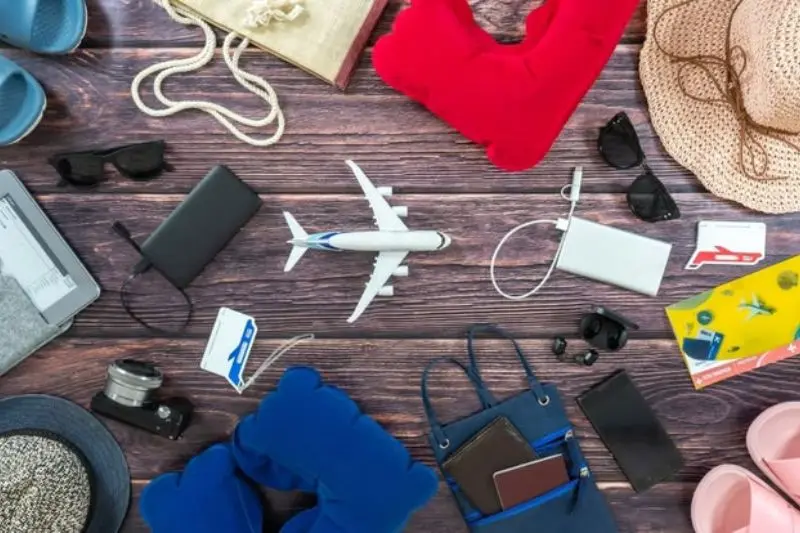
Safe packing is much more than fitting belongings into a suitcase. It is about preparing wisely, protecting valuable items, and ensuring you have everything needed for a comfortable and enjoyable journey. By following safe packing tips for every trip, travelers can reduce stress, avoid common travel problems, and stay organized from departure to arrival.
Simple habits like choosing the right luggage, creating a checklist, rolling clothes, protecting fragile items, securing important documents, and packing emergency essentials make a noticeable difference. These small actions save time, reduce costs, and help you travel with greater confidence.
No matter where your next destination takes you, thoughtful preparation is one of the best ways to ensure a successful trip. Packing carefully allows you to focus less on your luggage and more on creating unforgettable memories. Start using these practical packing strategies today, and every future journey will become safer, easier, and far more enjoyable.