
Introduction
Safety when traveling abroad starts before you leave home. A new country can be exciting, but unfamiliar laws, transportation systems, health risks, scams, language barriers, and local security conditions can create problems if you are not prepared. The good news is that many travel-related risks can be reduced with a few simple habits.
Before your trip, research your destination, check current travel advisories, confirm your passport and visa requirements, understand local laws, and make copies of important documents. Official travel guidance recommends reviewing destination-specific safety information before departure because risks and entry requirements can change.
Once you arrive, stay aware of your surroundings without becoming overly cautious. Keep your valuables secure, avoid displaying large amounts of cash, use trusted transportation, protect your phone and accounts, and be careful when strangers offer unexpected help. You should also know what to do if your passport is lost, you become sick, or an emergency occurs.
The goal is not to avoid every unfamiliar situation. It is to prepare for realistic problems so you can enjoy your trip with greater confidence. This guide explains the most important safety steps to take before and during international travel, including personal security, money, documents, health, technology, transportation, scams, and emergency planning.
Why Travel Safety Matters When You Go Abroad
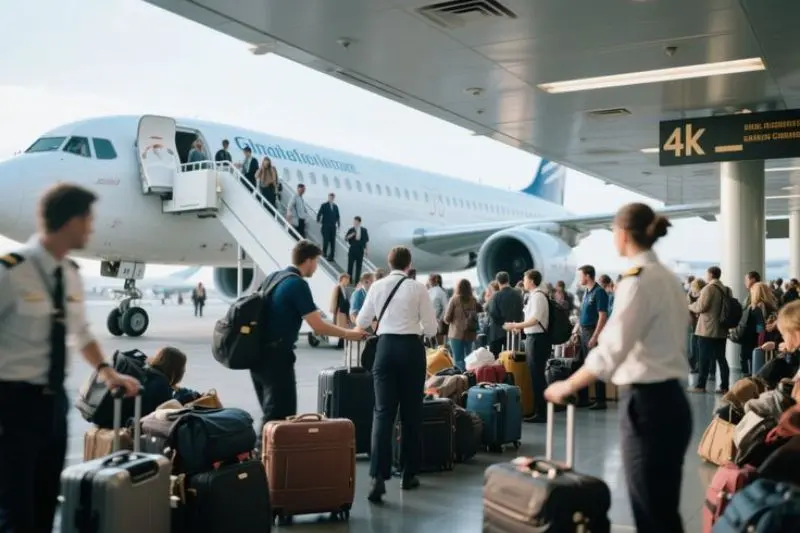
Traveling internationally places you in an environment where normal routines may not work the same way. You may not know which neighborhoods are safe after dark, how local emergency services work, or which behaviors are considered inappropriate.
Risks also vary greatly between destinations. Government travel guidance recommends checking current information about security, local laws, health, transportation, weather, and entry requirements before traveling.
A good travel safety plan should help you:
- Protect your passport and other important documents
- Reduce the risk of theft and scams
- Avoid dangerous areas and situations
- Prepare for medical problems
- Keep access to money and communication
- Understand local customs and laws
- Know who to contact during an emergency
- Respond calmly if something goes wrong
Travel safety is therefore less about being afraid and more about being prepared.
Research Your Destination Before You Leave
One of the easiest ways to improve your safety is to research your destination before booking activities or leaving for the airport.
Check official government travel advice and information from your destination’s embassy or consulate. Look for recent information about crime, demonstrations, terrorism, natural disasters, transportation problems, health requirements, and areas travelers should avoid. Official guidance can change, so do not rely only on an old blog post or social media video.
Also research:
- Visa and entry requirements
- Passport validity requirements
- Local emergency numbers
- Common scams
- Safe transportation options
- Local laws and customs
- Weather conditions
- Recommended vaccinations or health precautions
- Areas that may have security concerns
- Your country’s embassy or consulate
If there is a sudden change in conditions while you are traveling, official sources and local authorities are usually better sources than rumors circulating online.
Keep Your Passport and Important Documents Safe
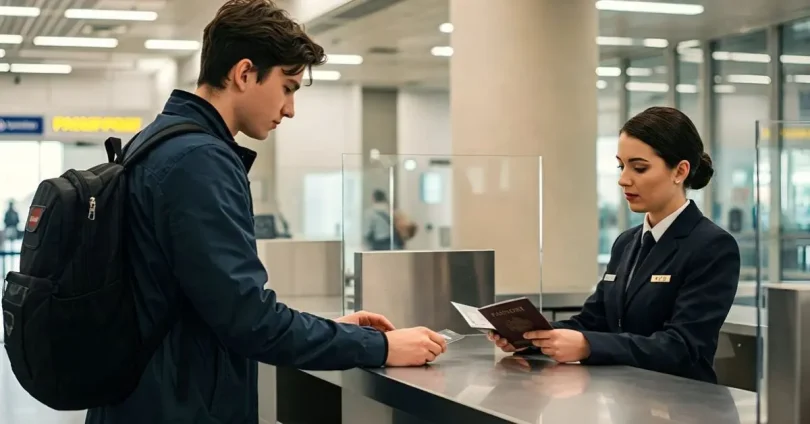
Your passport is one of the most important items you carry abroad. Losing it can make an already difficult situation much more complicated.
Before leaving, make secure copies of your:
- Passport identification page
- Visa
- Travel insurance information
- Flight and accommodation details
- Important medical information
- Emergency contact information
Keep physical copies separate from your original documents. You can also keep encrypted or password-protected digital copies where they can be accessed if the originals are lost.
Avoid carrying every important document in the same bag. If one bag disappears, you do not want to lose everything at once.
Protect Your Money While Traveling
Money-related problems are among the most frustrating issues travelers can face.
Instead of carrying all your cash in one place, divide it between secure locations. Keep your wallet somewhere difficult for pickpockets to reach, especially in crowded transportation areas, markets, tourist attractions, and busy streets.
Useful precautions include:
- Carry only the cash you expect to need.
- Keep backup payment methods separate.
- Use ATMs in secure, reputable locations.
- Check your bank’s international transaction policies before departure.
- Monitor your bank and card accounts for unusual transactions.
- Avoid displaying large amounts of cash in public.
- Be cautious when strangers offer financial or currency-related assistance.
Scams can also target travelers through fake services, dishonest transportation providers, counterfeit currency, or people pretending to be officials. Research common scams in your destination before arriving.
Stay Alert in Crowded Places
Crowded areas can be enjoyable, but they also create opportunities for theft and distraction-based scams.
Pay particular attention in:
- Airports
- Train and bus stations
- Public transportation
- Tourist attractions
- Markets
- Festivals
- Large events
- Busy shopping areas
Keep bags closed and close to your body. Avoid leaving your phone, wallet, or passport in easily accessible pockets.
You do not need to be suspicious of everyone around you. Simply develop the habit of knowing where your important belongings are.
Be Careful With Transportation
Transportation safety deserves special attention because visitors may not understand local traffic patterns, taxi systems, or driving conditions.
Before using transportation, research which options are considered reliable at your destination. When possible, use reputable taxi companies, official transportation services, or trusted ride-booking platforms.
If you are renting a vehicle, understand local driving rules before getting behind the wheel. Check whether you need an international driving permit and make sure you understand local road conditions.
Do not automatically choose the fastest route suggested by a navigation app. In unfamiliar places, the fastest route may not always be the safest or most appropriate route. Official travel guidance also recommends considering transportation safety when planning international trips.
Protect Your Phone and Digital Accounts
Your phone can become one of your most important travel tools because it may contain your boarding passes, hotel information, banking apps, photographs, identification documents, and communication apps. Losing access to it can therefore create more than a simple inconvenience.
Before traveling, protect your devices with a strong screen lock and make sure important accounts use strong, unique passwords and multi-factor authentication where available.
A few useful precautions include:
- Keep your phone and laptop updated before departure.
- Enable device tracking and remote-lock features.
- Avoid connecting to unknown or suspicious Wi-Fi networks.
- Be careful when charging devices through unfamiliar public USB ports.
- Do not share passwords or verification codes with strangers.
- Avoid logging into sensitive accounts on public computers.
- Back up important information before your trip.
- Keep your phone physically secure in crowded areas.
If your phone is stolen, being able to remotely lock or locate it can help protect your personal information.
Understand Local Laws and Customs
Something that is normal in your home country may be restricted or illegal somewhere else. Travelers are generally expected to follow the laws of the country they are visiting, even if they were unaware of a particular rule.
Research local laws before departure, particularly rules involving:
- Photography
- Alcohol and drugs
- Clothing
- Public behavior
- Driving
- Identification documents
- Drones and photography equipment
- Prescription medicines
- Religious or culturally sensitive sites
Also learn basic local customs. Showing respect for cultural practices can help you avoid misunderstandings and make interactions with local people easier.
When in doubt, follow local regulations and ask a reliable authority rather than relying on assumptions.
Avoid Common Travel Scams
Tourists can sometimes be targeted because they are unfamiliar with local prices, transportation systems, or customs. Scams vary by destination, but the general warning signs are often similar.
Be cautious when someone:
- Creates unnecessary urgency
- Demands unexpected payment
- Offers a deal that seems unusually good
- Claims to be an official without clear identification
- Asks to see your passport without a legitimate reason
- Insists you use a particular ATM or currency exchange
- Pressures you into buying something
- Distracts you while another person handles your belongings
You do not need to reject every offer of help. Instead, slow down when something feels unusual and verify information independently.
For example, if someone claims that your taxi booking has been canceled and asks you to pay them directly, check the booking through the official app or service before handing over money.
Take Health Precautions Before Traveling
Health preparation is another important part of international travel safety. Depending on your destination, you may face different food, water, climate, disease, or medical-access conditions.
Before departure, research health information for your destination and consider speaking with a qualified healthcare professional when appropriate.
You may need to consider:
- Routine vaccinations
- Destination-specific health requirements
- Prescription medicines
- Travel insurance
- Food and water safety
- Heat or cold exposure
- Insect-borne illnesses
- Access to medical facilities
Keep necessary medication in its original packaging and check whether your destination has restrictions on particular medicines.
The health section of official destination guidance can also help travelers identify relevant precautions before departure.
Share Your Travel Plans With Someone You Trust
Someone at home should generally know where you are going and how to reach you.
You can share:
- Your flight information
- Hotel or accommodation details
- General itinerary
- Emergency contact information
- Copies of important documents
- Expected return date
You do not necessarily need to send someone every detail of your daily schedule. The important thing is that a trusted person can understand your general location and recognize if something seems wrong.
If your plans change significantly, update them.
Know What to Do in an Emergency
Before you travel, identify how to get help at your destination.
Save important numbers and addresses, including:
- Local emergency services
- Your country’s embassy or consulate
- Your accommodation
- Travel insurance assistance
- Your bank’s emergency contact
- A trusted person at home
If you lose your passport, are robbed, become seriously ill, or face another emergency, knowing where to turn can save valuable time.
Do not wait until an emergency happens to start searching for this information. Save it before you need it.
Be Careful When Traveling Alone
Solo travel can be rewarding, but it requires greater personal awareness because you may not have a companion to help if something goes wrong.
When traveling alone:
- Tell someone where you are going.
- Avoid isolated areas when you do not know the surroundings.
- Be cautious about accepting drinks or food from strangers.
- Keep your accommodation details private.
- Avoid becoming heavily intoxicated in unfamiliar surroundings.
- Keep your phone charged.
- Have a backup way to access money.
- Trust your instincts if a situation feels unsafe.
You do not need to avoid social interaction. Just maintain enough awareness to make good decisions.
What to Do If Your Passport Is Lost or Stolen
If your passport disappears, act quickly.
First, make sure it is genuinely missing rather than simply misplaced. Check your accommodation, bags, transportation, and other recent locations.
If it has been stolen, report the theft to the appropriate local authorities when required and contact your country’s embassy or consulate for guidance on replacement travel documents.
Your digital or physical backup copies can make the process easier because they provide important identification information.
This is one reason you should prepare document copies before leaving home rather than after something goes wrong.
A Simple Travel Safety Checklist
Before leaving for an international trip, review this checklist:
| Safety Area | What to Check |
|---|---|
| Documents | Passport, visa, copies, travel documents |
| Money | Cards, backup payment method, emergency cash |
| Health | Medicines, insurance, destination health guidance |
| Transportation | Reliable transport options and local rules |
| Communication | Working phone, internet access, emergency contacts |
| Accommodation | Address, check-in details, secure storage |
| Local knowledge | Laws, customs, scams, safety concerns |
| Emergencies | Embassy/consulate and local emergency information |
| Technology | Updates, backups, passwords, device tracking |
| Itinerary | Someone at home knows your general plans |
A checklist helps prevent small preparation tasks from being forgotten when you are busy getting ready for your trip.
Common Mistakes to Avoid When Traveling Abroad

Even experienced travelers can make mistakes when visiting another country. Most problems become easier to prevent when you know which habits create unnecessary risk.
1. Carrying All Your Money in One Place
Keeping all your cash, cards, and documents together creates a single point of failure.
Do instead: Keep essential items separated and carry only what you need for the day.
2. Ignoring Local Travel Advisories
Travel conditions can change because of protests, severe weather, security incidents, health concerns, or transportation disruptions.
Do instead: Check reliable official information before departure and during your trip when conditions may change.
3. Making Your Travel Plans Public
Posting your exact hotel, daily schedule, or real-time location publicly can reveal more information than necessary.
Do instead: Be selective about what you share online, especially while you are away.
4. Trusting Strangers Too Quickly
Most people you meet while traveling may be helpful, but unfamiliar situations can also create opportunities for scams or theft.
Do instead: Verify unexpected requests independently before giving someone money, documents, or personal information.
5. Forgetting About Backup Plans
A lost phone, blocked bank card, or missing passport can become much more stressful when there is no alternative.
Do instead: Have backup payment options, document copies, emergency contacts, and access to important information.
6. Becoming Too Distracted
Looking at your phone while walking through an unfamiliar area can make you less aware of your surroundings.
Do instead: Stop somewhere appropriate when you need to check maps, messages, or directions.
Practical Safety Tips Experienced Travelers Use
Good travel safety does not require complicated equipment or an elaborate security plan. Small habits often make the biggest difference.
Keep your accommodation address accessible. If you need to return by taxi or ask for directions, having the address available in the local language can be useful.
Keep your phone charged. A phone with no battery is much less useful during an unexpected situation.
Have more than one way to pay. If one card is lost, blocked, or declined, a backup option can prevent a major problem.
Pay attention when arriving somewhere new. Airports and transportation stations are good places to slow down, confirm your destination, and avoid accepting unsolicited offers.
Trust your instincts. If a situation feels wrong, you do not need to remain there simply to be polite. Leave and find a safer environment.
How to Stay Safe Without Ruining Your Trip
Travel safety should not turn your vacation into a constant exercise in worry. Being careful does not mean assuming every person or situation is dangerous.
A balanced approach is better:
- Prepare before traveling.
- Stay aware without becoming paranoid.
- Respect local laws and customs.
- Keep important belongings secure.
- Verify unusual requests.
- Have a backup plan for realistic problems.
- Know where to get help.
The purpose of preparation is to give you more freedom, not less. When you already know what to do if your wallet disappears, your flight changes, or you need medical assistance, you can respond instead of panicking.
Final Travel Safety Check Before Departure
Before you leave for the airport, take a few minutes to confirm that you have:
- A valid passport and required travel documents
- Copies or secure backups of important documents
- Necessary medication and health information
- Travel insurance information when applicable
- More than one payment method
- Emergency contact details
- Accommodation information
- A charged phone and backup charging option
- Important local emergency information
- A trusted person who knows your general itinerary
These simple preparations can make a significant difference when something unexpected happens.
FAQs About Safety When Traveling Abroad
Is it safe to travel to another country alone?
Solo international travel can be safe when you research your destination, stay aware of your surroundings, use reliable transportation, protect your belongings, and maintain communication with someone you trust. Safety conditions vary significantly by destination, so check current official guidance before traveling.
What is the most important thing to do before traveling abroad?
Start by researching your destination. Check entry requirements, local laws, health information, transportation considerations, and current safety conditions. Then prepare your documents, money, communication, and emergency contacts.
How can I protect my passport while traveling?
Keep your passport in a secure location and avoid carrying it unnecessarily when local rules do not require it. Keep a secure copy of the identification page and relevant travel documents separately in case the original is lost or stolen.
What should I do if I am robbed while abroad?
Move to a safe location first. Then contact the appropriate local authorities when necessary and notify your bank or card provider if financial information was stolen. If your passport is missing, contact your country’s embassy or consulate for guidance.
Should I tell someone where I am traveling?
Yes. Sharing your general itinerary and accommodation information with someone you trust gives them a way to contact you or recognize a problem if you unexpectedly become unreachable.
Conclusion
Safe international travel begins with preparation, but it continues with sensible decisions throughout the trip. Research your destination, protect your documents and money, use reliable transportation, respect local laws, stay aware of common scams, and know how to get help if something goes wrong.
You do not need to eliminate every possible risk. The practical goal is to reduce avoidable risks and prepare for realistic problems.
With the right preparation, you can spend less time worrying about what might happen and more time experiencing the people, places, and culture that made you want to travel in the first place.