
Introduction
Traveling alone is one of the most rewarding experiences anyone can have. It allows you to discover new destinations at your own pace, meet interesting people, and gain confidence through independent decision-making. Whether you are planning your first solo vacation or already have some travel experience, staying safe should always be your highest priority. A well-prepared traveler is far more likely to enjoy every moment while avoiding unnecessary risks.
This Solo Travel Safety Guide is designed for beginners and intermediate travelers who want to explore the world confidently without compromising their security. Solo travel does not mean traveling in fear. Instead, it means learning how to make smart choices before, during, and after your trip. From researching your destination to protecting your belongings and handling emergencies, every step contributes to a safer journey.
Modern technology has also made solo travel easier than ever. Navigation apps, digital payment methods, translation tools, and emergency communication services help travelers stay connected almost anywhere. However, technology alone cannot replace good judgment and preparation.
In this comprehensive guide, you’ll learn practical strategies to reduce risks, protect yourself, and enjoy unforgettable adventures. By following these recommendations, you can focus on creating wonderful memories while feeling prepared for unexpected situations.
What is Solo Travel Safety Guide?
A Solo Travel Safety Guide is a collection of practical tips, planning strategies, and personal safety practices that help individuals travel alone with confidence. It covers everything from choosing safe destinations to protecting personal information and responding effectively during emergencies.
The goal is not to discourage independent travel but to help travelers make informed decisions. Every destination has unique customs, transportation systems, and potential risks. Understanding these differences before arriving can significantly improve your travel experience.
A good safety guide encourages awareness instead of fear. When travelers remain alert, respect local culture, and prepare carefully, they greatly reduce the chances of encountering serious problems.
Why is Solo Travel Safety Guide Important?
Traveling independently offers freedom, but it also means taking full responsibility for your own safety. Unlike group travel, there may not always be someone nearby to assist you during unexpected situations.
Following a reliable safety guide helps you:
- Make informed travel decisions.
- Reduce the likelihood of scams.
- Protect valuable belongings.
- Stay healthy throughout the journey.
- Respond calmly during emergencies.
- Build confidence as an independent traveler.
Preparation allows you to spend less time worrying and more time enjoying your adventure.
Detailed Step-by-Step Guide
Step 1: Research Your Destination
Before booking your trip, learn about your destination thoroughly.
Research:
- Local laws
- Cultural customs
- Weather conditions
- Safe neighborhoods
- Emergency numbers
- Transportation options
Reading recent travel experiences also provides valuable insights into current conditions.
Step 2: Plan Your Accommodation Carefully
Choose accommodations with strong reviews and verified security measures.
Look for:
- 24-hour reception
- Secure locks
- Good lighting
- Positive safety reviews
- Convenient location
Avoid isolated areas if you’re unfamiliar with the destination.
Step 3: Share Your Travel Plans
Always let someone you trust know your itinerary.
Share:
- Flight information
- Hotel details
- Daily plans
- Emergency contacts
Regular updates provide additional peace of mind for both you and your family.
Step 4: Pack Smart
Avoid carrying unnecessary valuables.
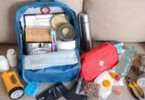
Essential safety items include:
- Passport copies
- Portable charger
- Small first-aid kit
- Emergency cash
- Travel insurance documents
- Reusable water bottle
- Flashlight
Packing light also makes moving around much easier.
Step 5: Stay Aware of Your Surroundings
Situational awareness is one of the strongest personal safety tools.
Avoid distractions such as continuously looking at your phone while walking.
Notice:
- Exit locations
- Busy public areas
- Local police stations
- Transportation stops
Being observant often prevents problems before they occur.
Step 6: Protect Your Money
Divide your money into multiple locations.
For example:
- Wallet
- Hidden pouch
- Hotel safe
- Backup card
Using contactless payments whenever possible also reduces theft risks.
Step 7: Be Careful with Personal Information
Avoid sharing excessive personal details with strangers.
Instead of telling someone you’re traveling completely alone, casually mention you’re meeting friends later if the conversation feels uncomfortable.
Privacy adds another layer of security.
Step 8: Use Transportation Wisely
Whenever possible:
- Use licensed taxis.
- Verify ride-sharing drivers.
- Avoid unofficial transportation.
- Sit near other passengers on public transport.
Travel during daylight if you’re unfamiliar with the area.
Step 9: Trust Your Instincts
If something feels wrong, leave immediately.
Whether it’s an uncomfortable conversation, unsafe neighborhood, or suspicious situation, trusting your instincts is often the safest decision.
Never worry about appearing rude when protecting yourself.
Step 10: Prepare for Emergencies
Store important information both digitally and physically.
Include:
- Passport copies
- Insurance details
- Embassy contacts
- Emergency phone numbers
Preparation reduces panic during stressful situations.
Benefits of Solo Travel Safety Guide
Following a Solo Travel Safety Guide offers numerous advantages:
- Builds travel confidence
- Reduces unnecessary risks
- Encourages smarter planning
- Helps protect personal belongings
- Improves emergency preparedness
- Supports independent decision-making
- Increases cultural awareness
- Makes travel more enjoyable
- Promotes responsible tourism
- Provides peace of mind throughout the journey
Disadvantages / Risks
Despite careful preparation, solo travel still has challenges.
Potential risks include:
- Feeling lonely occasionally
- Higher responsibility for decision-making
- Possible language barriers
- Greater exposure to scams
- Limited assistance during emergencies
- Transportation confusion
- Unexpected health issues
- Budget management challenges
Most of these risks can be minimized with proper planning.
Common Mistakes to Avoid
Many new solo travelers make avoidable mistakes.
Common examples include:
- Ignoring destination research.
- Carrying too much cash.
- Displaying expensive electronics openly.
- Accepting invitations from strangers too quickly.
- Walking alone late at night in unfamiliar places.
- Forgetting travel insurance.
- Overpacking luggage.
- Posting real-time locations on social media.
- Ignoring local customs.
- Failing to keep emergency contacts available.
Learning from these mistakes significantly improves travel safety.
FAQs
Is solo travel safe for beginners?
Yes. With proper planning, awareness, and preparation, beginners can safely enjoy solo travel.
Should I buy travel insurance?
Absolutely. Travel insurance provides financial protection for medical emergencies, cancellations, lost luggage, and unexpected situations.
How can I avoid travel scams?
Research common scams before arriving, avoid offers that seem too good to be true, and use official transportation and trusted businesses.
What should I do if I lose my passport?
Immediately report the loss to local authorities and contact your country’s embassy or consulate for replacement assistance.
Is it safe to meet locals?
Meeting locals can enrich your experience, but always choose public places, inform someone of your plans, and trust your instincts.
How often should I contact family?
Send regular updates, especially after arriving at new destinations or changing accommodations.
Expert Tips & Bonus Points
Experienced solo travelers recommend staying flexible while maintaining a clear safety plan.
Additional expert advice includes:
- Learn a few local phrases.
- Dress appropriately for local culture.
- Keep your phone fully charged.
- Save offline maps before exploring.
- Carry a whistle for emergencies.
- Avoid excessive alcohol consumption.
- Stay hydrated during long sightseeing days.
- Keep digital backups of important documents.
- Blend in rather than attracting attention.
- Maintain confidence while walking.
Small habits often make the biggest difference during solo adventures.
Remember that confidence comes with experience. Each successful trip teaches valuable lessons that improve future journeys. Continue learning from every destination while respecting local communities and cultures.
Conclusion

Solo travel offers incredible opportunities for personal growth, cultural discovery, and unforgettable experiences. While traveling alone requires greater responsibility, it should never prevent you from exploring the world. Careful planning, awareness, and smart decision-making allow you to enjoy your adventure while minimizing unnecessary risks.
This Solo Travel Safety Guide demonstrates that staying safe is largely about preparation rather than luck. Research your destination thoroughly, choose secure accommodations, protect your valuables, stay aware of your surroundings, and always trust your instincts. These simple yet effective habits help you handle challenges confidently and make informed decisions throughout your journey.
Remember that every successful solo trip builds experience and confidence for future adventures. Start with realistic expectations, remain flexible when plans change, and respect local customs wherever you go. With the right mindset and practical safety strategies, solo travel becomes an exciting opportunity to explore new places, meet fascinating people, and create lasting memories. Safe travels begin with smart preparation, and every journey is a chance to grow into a more confident and capable traveler.